Active Ruminations
on average

After hitting all time highs before the elections in 2024, Indian markets lost their footing.
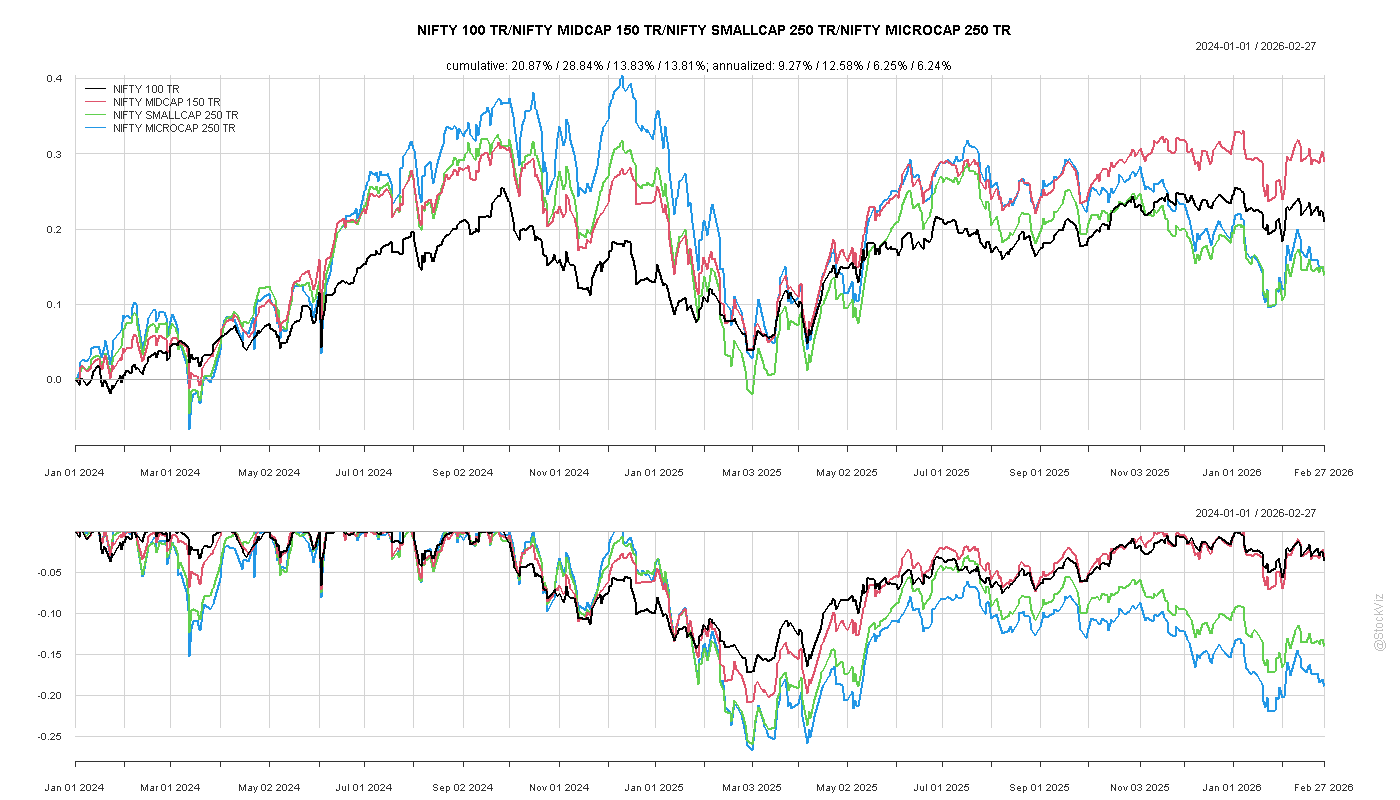
Outside of large-caps, indices hide a lot of pain underneath.
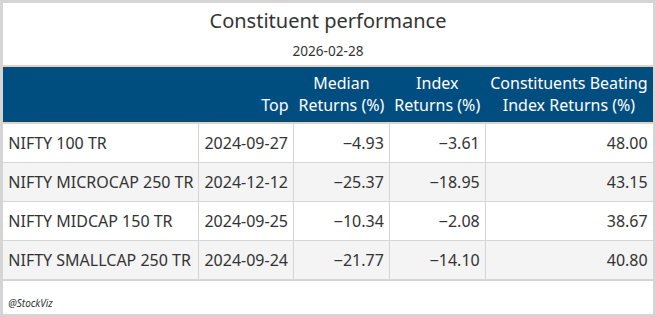
For example, even though the MIDCAP index recovered from its drawdown and is now down only around 2% from its peak, the median returns of its constituents is down more than 10%. Less than 40% of the constituents have outperformed it.
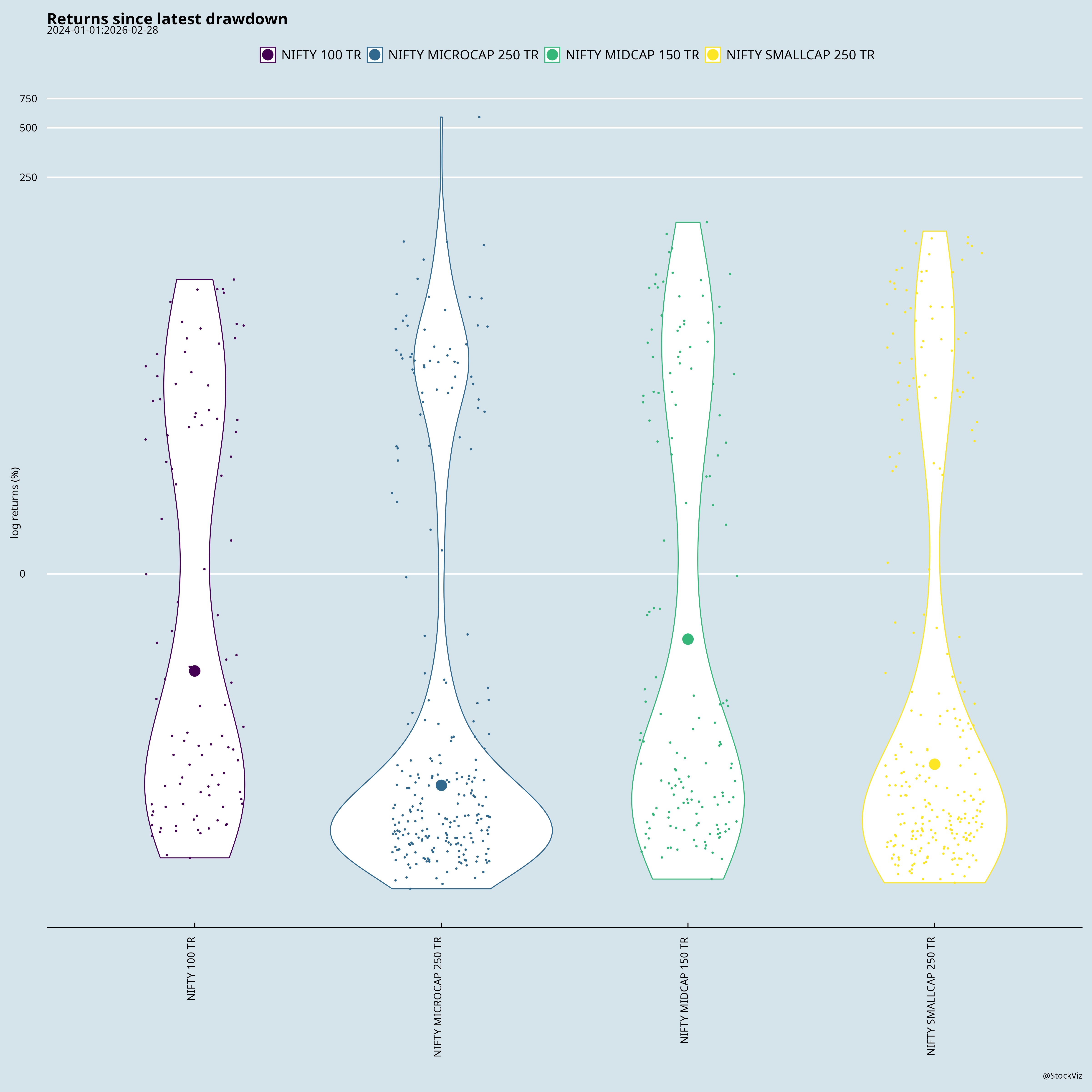
A bifurcated market should technically be great for active managers. However, only small-cap managers seem to have been able to capitalize on it.
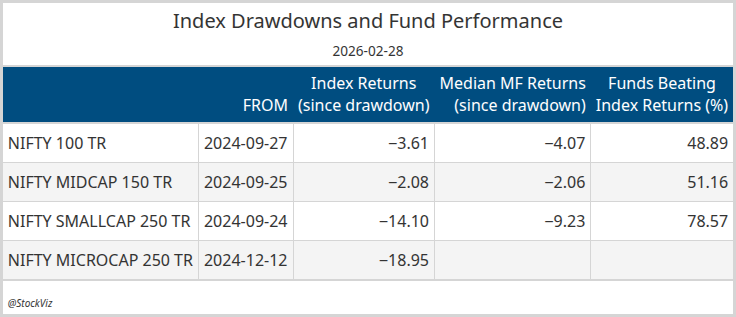
This isn’t to say that active is better than passive. Long-term performance of active funds have not been great.
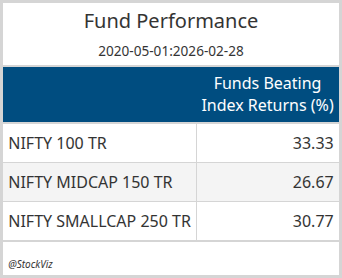
Looks like Indian fund managers seem to be able to navigate bad markets better than they can make money in good ones. Long-term, you are still better off with passive.
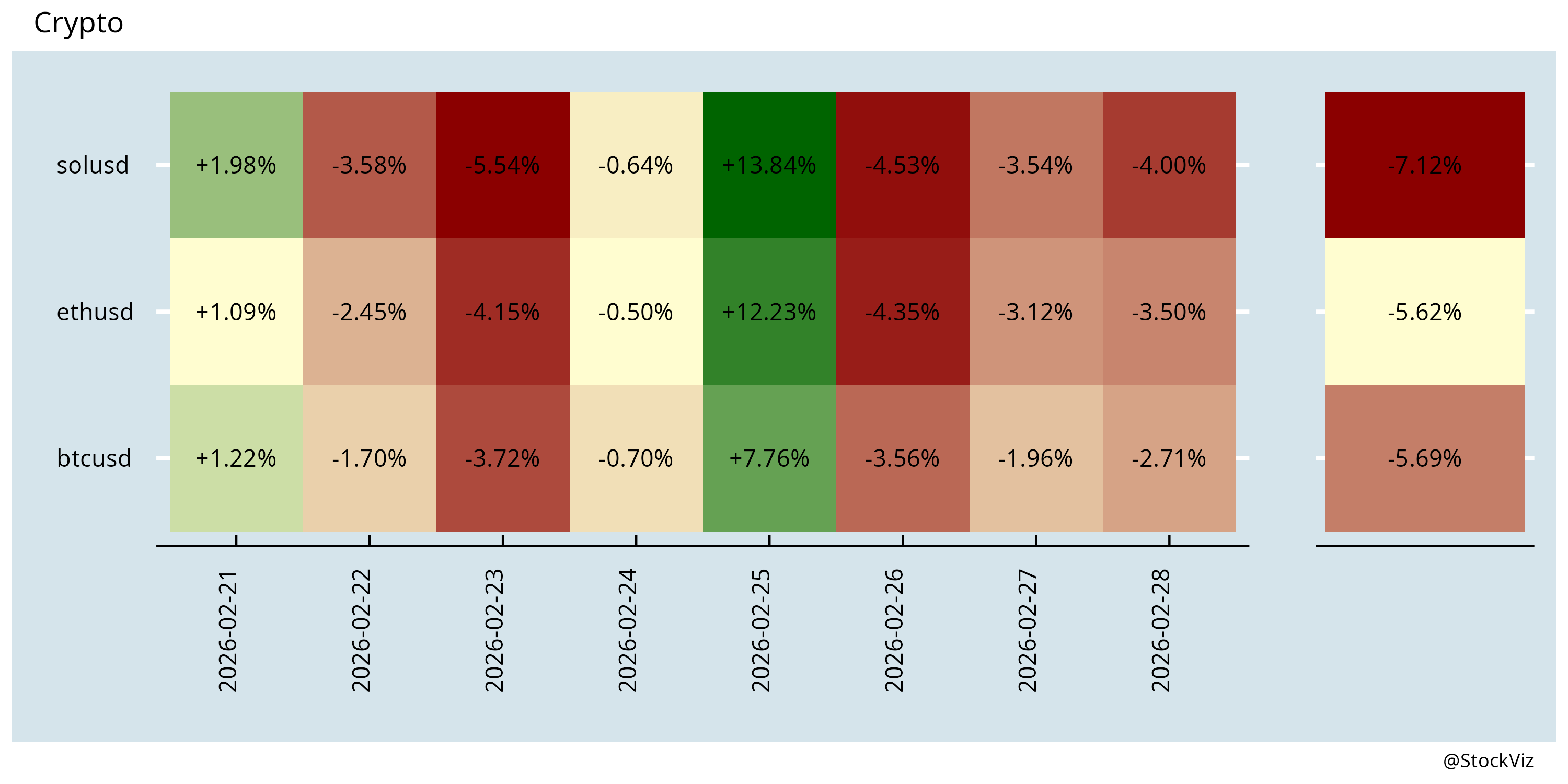
Markets this Week
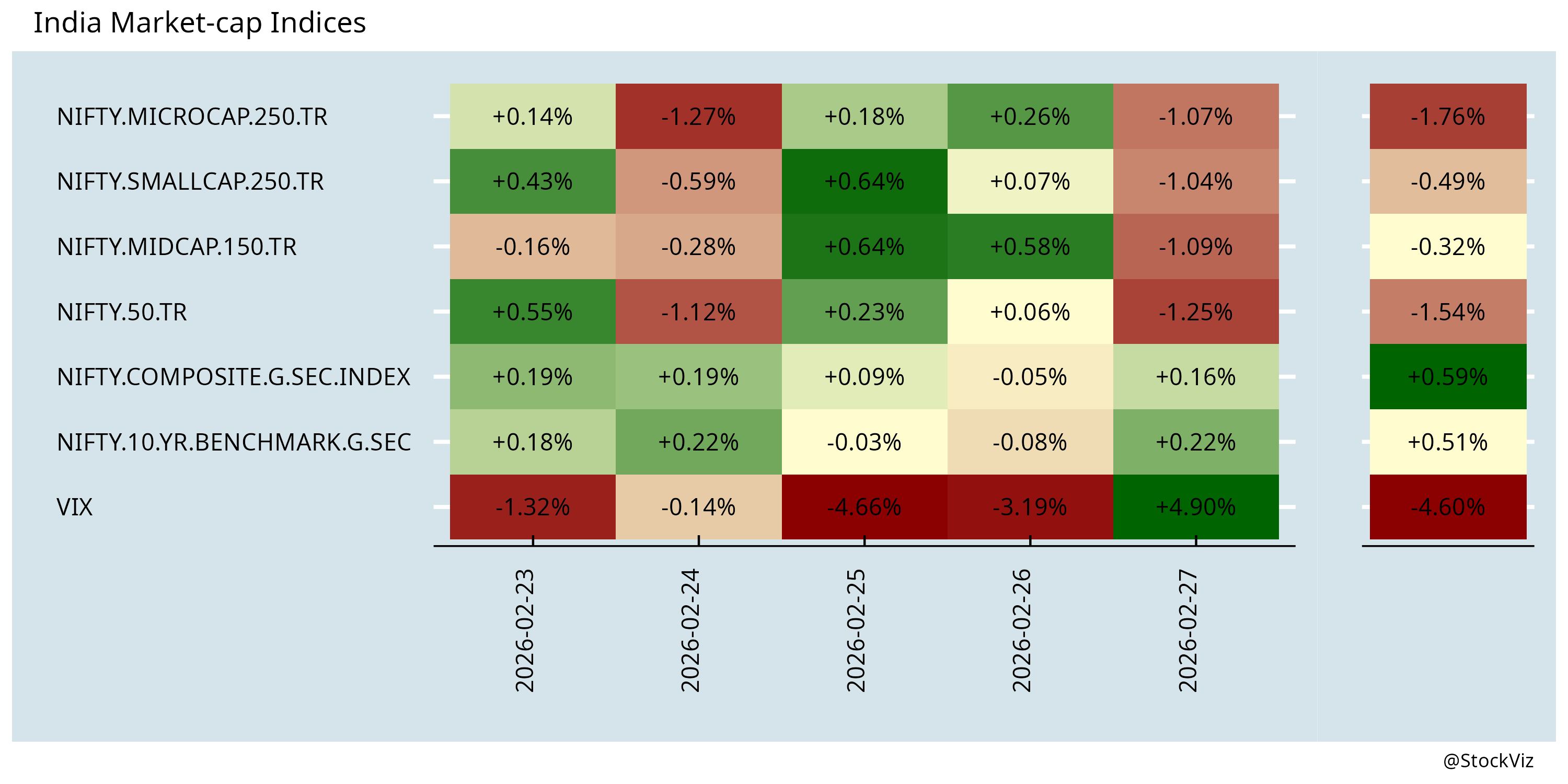
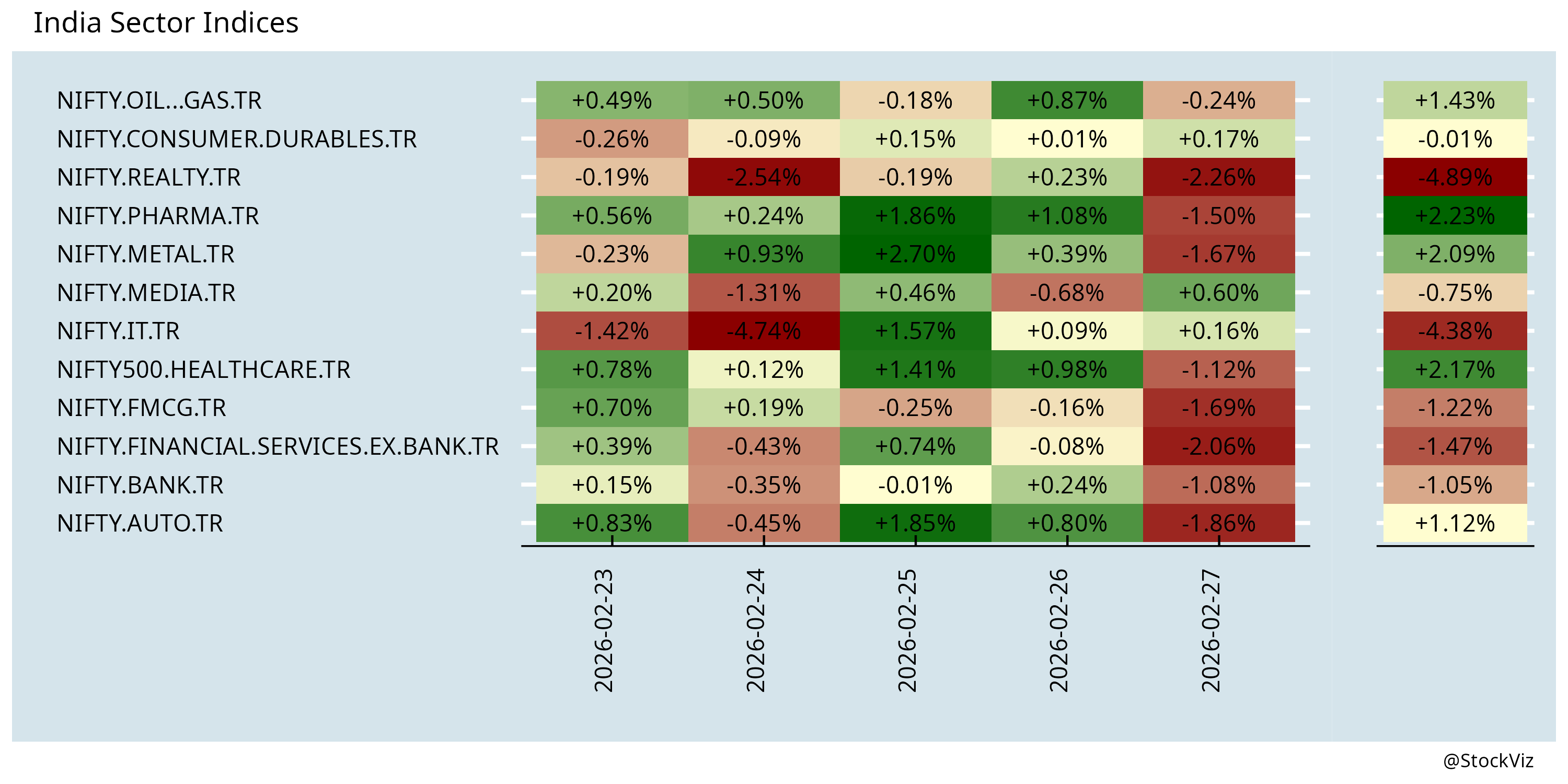
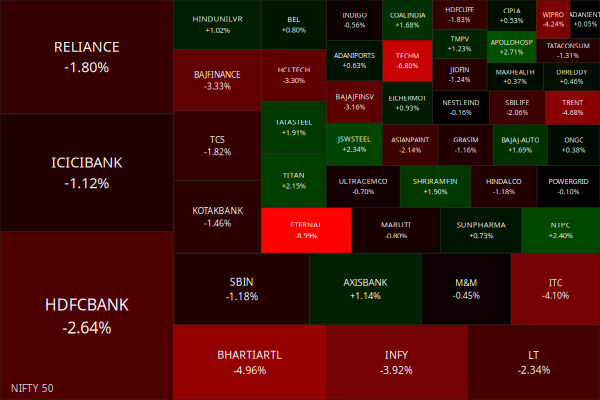
More here: country ETFs, fixed income, currencies and commodities.
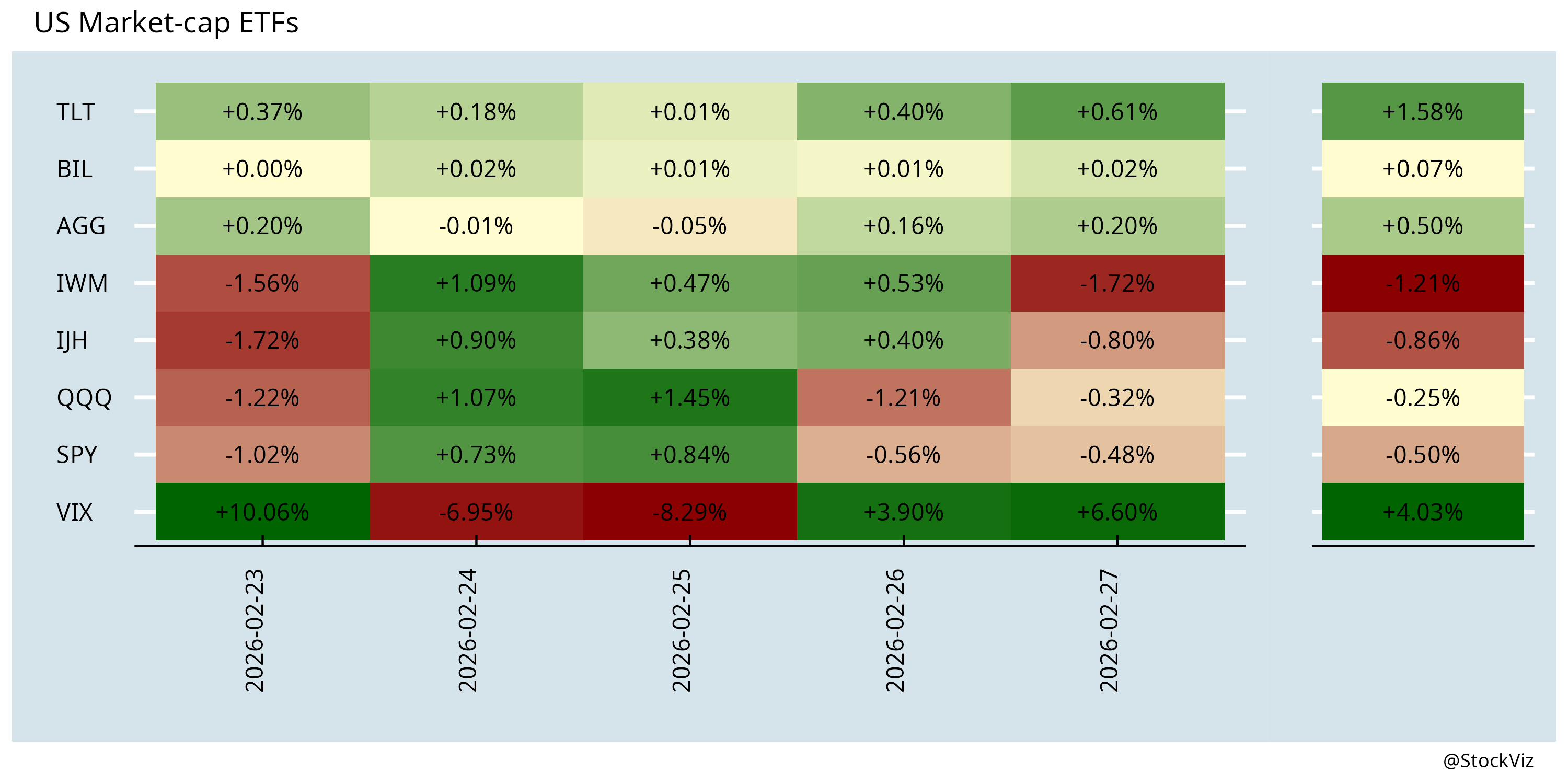
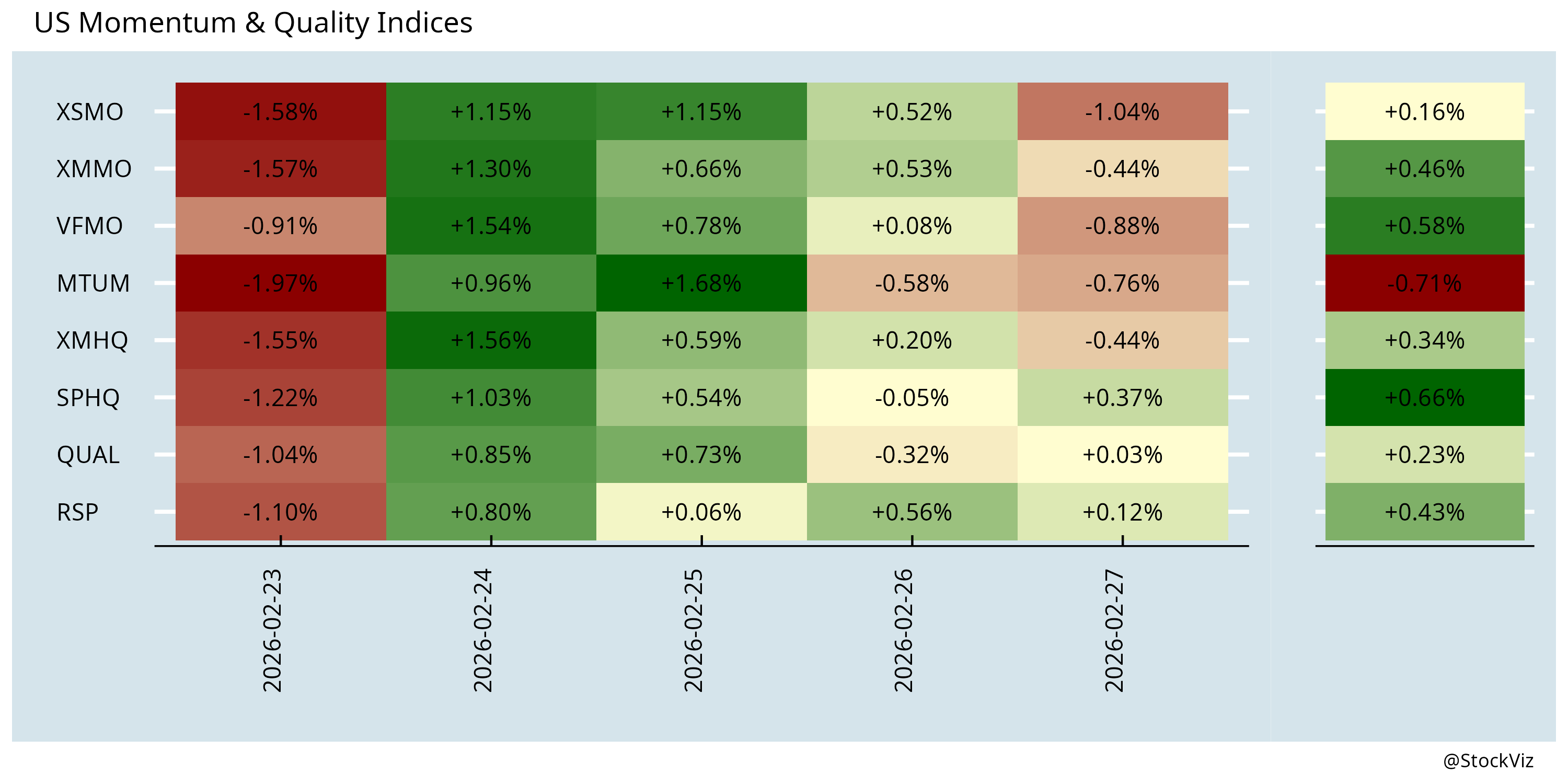
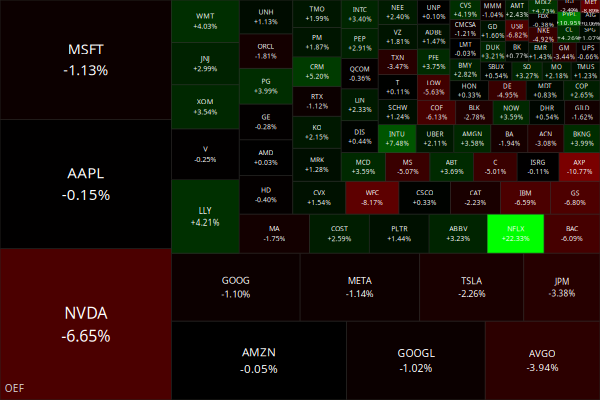
Links
Even if SaaS isn’t dead, the economics are getting permanently worse (99d).
Research
Mimicking Finance (NBER)
We show that 71% of mutual fund managers’ trade directions can be predicted in the absence of the agent making a single trade. For some managers, this increases to nearly all of their trades in a given quarter. Further, we find that manager behavior is more predictable and replicable for managers who have a longer history of trading and are in less competitive categories. Lastly, we show strong performance implications: less predictable managers strongly outperform their peers, while the most predictable managers significantly underperform.
India
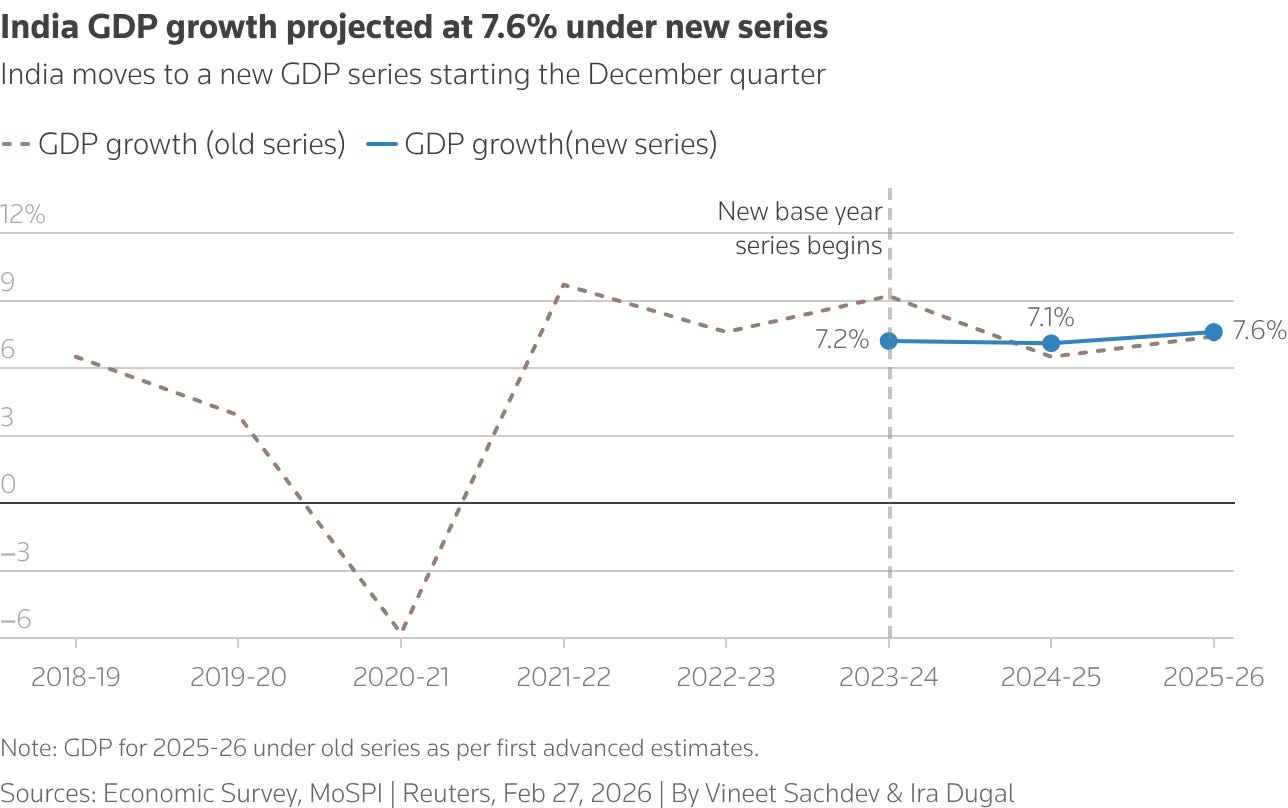
India remains fastest-growing major economy globally (reuters)
SEBI tweaks mutual fund regulations. Now, equity schemes can invest in gold and silver. Earlier, it classified REITs as equities. Expect the pie of equities in “equity funds” to shrink a bit as a result of these changes (reuters).
India’s justice system is groaning under a crushing backlog. Nearly 48 million cases are pending in lower courts, while the Supreme Court alone has close to 90,000 unresolved matters. This does not include matters before tribunals and administrative bodies. There is no shortage of lawyers or law colleges, but thousands of judicial posts remain vacant. There are over 4,800 vacancies in subordinate courts and nearly 300 in high courts, leaving the country with barely 21 judges per million people, far below the widely accepted benchmark of 50 (livemint).
India's ambitious regional air connectivity project, UDAN, sees its slowest pace of airport additions since its 2016 launch (livemint). Also, 6 of 7 UP airports shut months after takeoff (indiatoday).
Artificial intelligence promises to automate the white-collar work that made India a tech powerhouse (nytimes).
India’s VIP culture is out of control (economist).
row
Israel attacks Iran with US’ help (economictimes).
The Reign of the Dollar Is Coming to an End (barrons).
Crypto Is Pointless. Not Even the White House Can Fix That (nytimes).
With Trump faltering and their policy agenda incomplete, the crypto industry has moved at least $288 million toward the midterms in a desperate bid to keep Republicans in control of Congress (citationneeded).
More people are moving out of the U.S. than moving in for the first time since the Great Depression (fortune).
Nearly 6,000 owners of high-growth businesses left the UK over the past two years following changes to Britain’s tax regime and concerns over economic competitiveness (ft).
Whether they realize it or not, this is the world H-1B critics are pining for: America not as a center of innovation, technology, and world class research, but as a minor backwater and also-ran, lacking in opportunities for skilled workers both native and foreign. The critics would have us be North America’s France.
Yes, high-skilled workers should have to compete (agglomerations)
Block lays off 4,000 (40%) employees (timesofindia).
Mizuho to cut up to 5,000 clerical jobs in Japan with AI streamlining (nikkei).
Burger King is launching an AI chatbot that will live in the headsets used by employees. It will not only assist employees with meal preparation but also evaluate their interactions with customers for “friendliness.” (theverge)
A typical high-end car might have a dozen cameras plus radars and laser sensors collecting images of everything around the car. They often have voice sensors inside as well as internal cameras to monitor a distracted driver. Cyber security around all these sensors is, at best, opaque (ft).
Meme of the Week