Hype & Indices
the active choice of passive indices

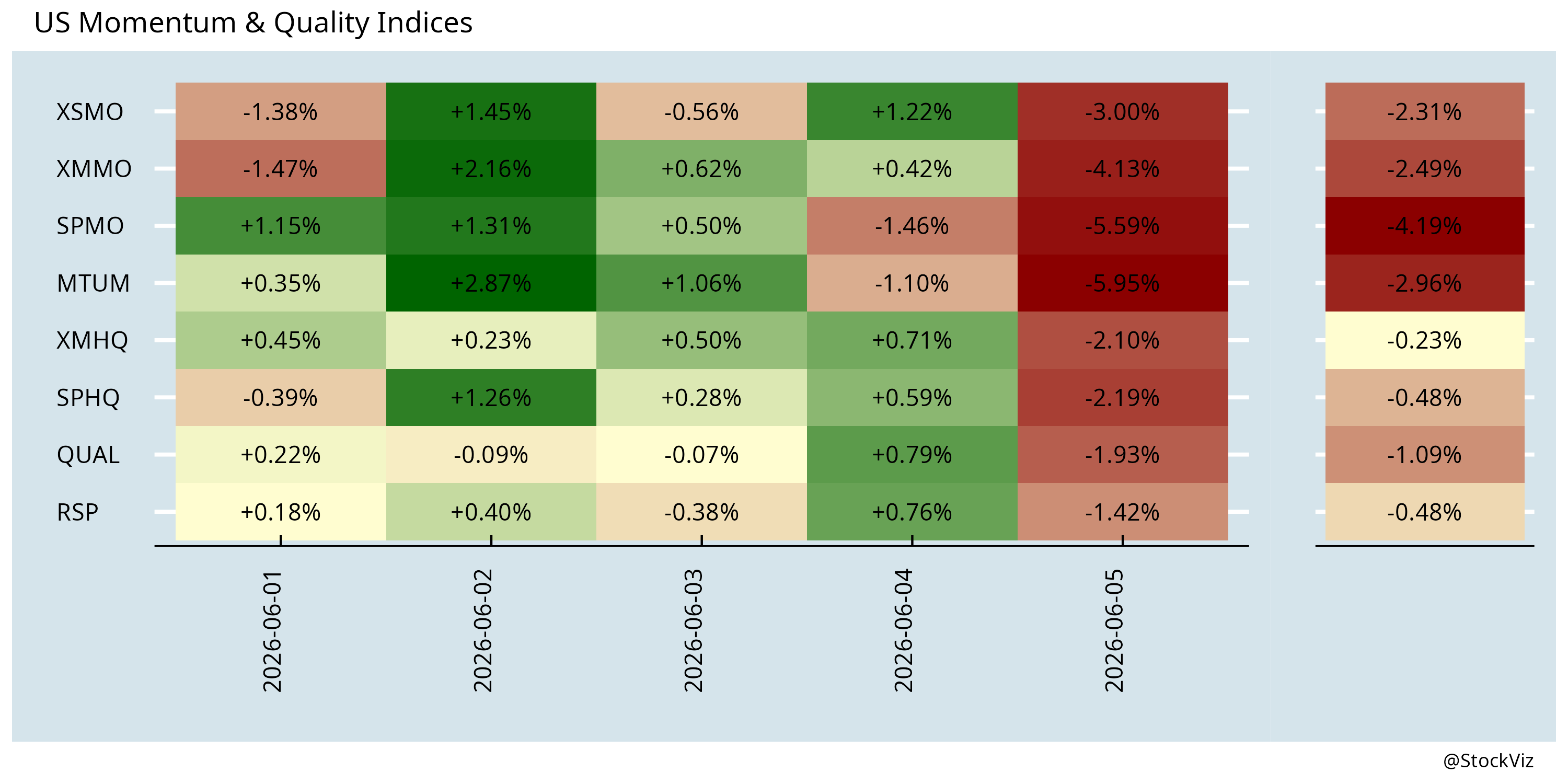
When do index providers launch new indices? When there is demand for it from asset management firms. When do asset managers want to launch new funds? When it sells the most. When do funds sell the most? At the peak of their hype cycles. What happens to forward returns? The most obvious: Index and Funds.
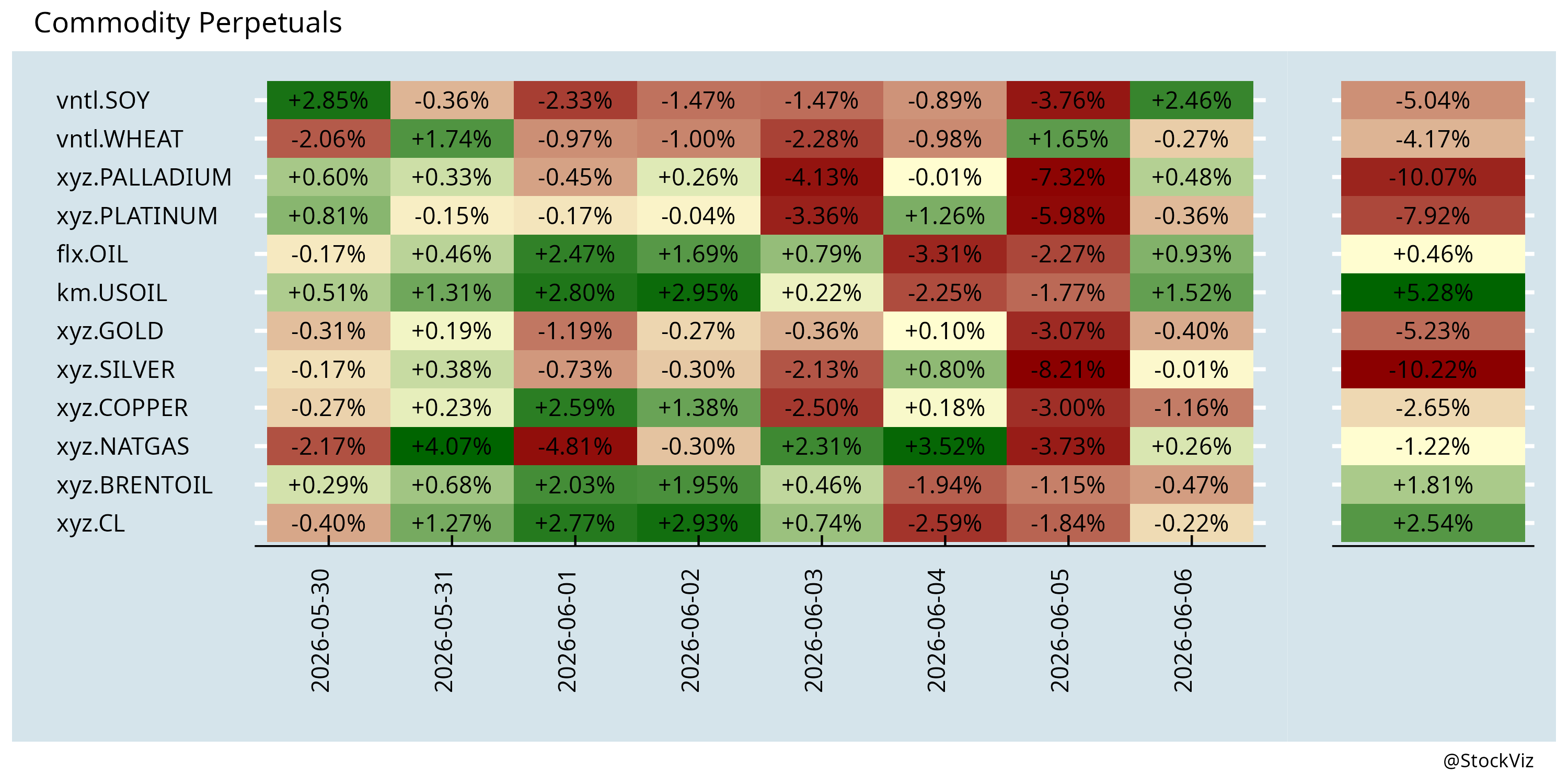
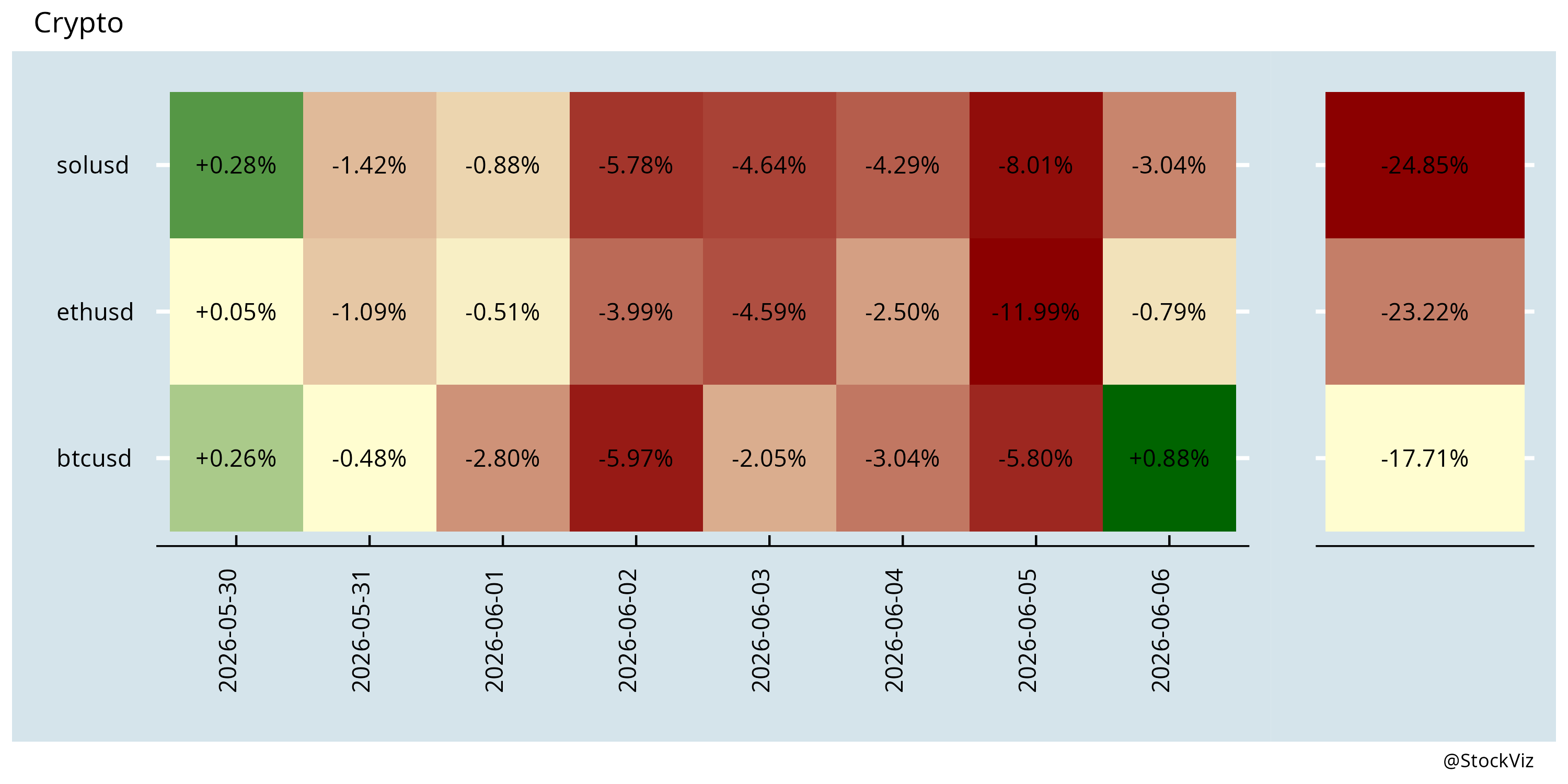
Markets this Week
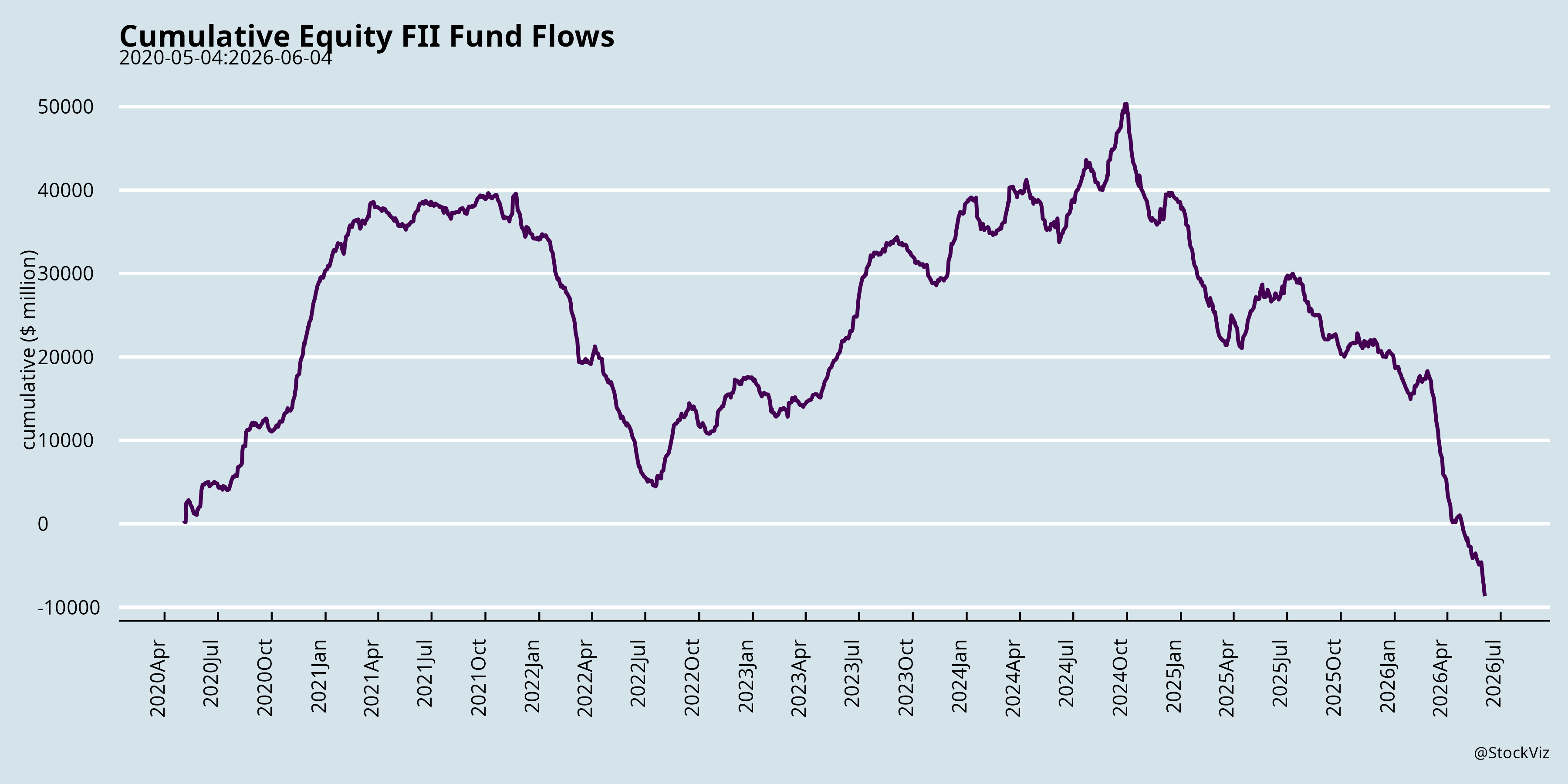
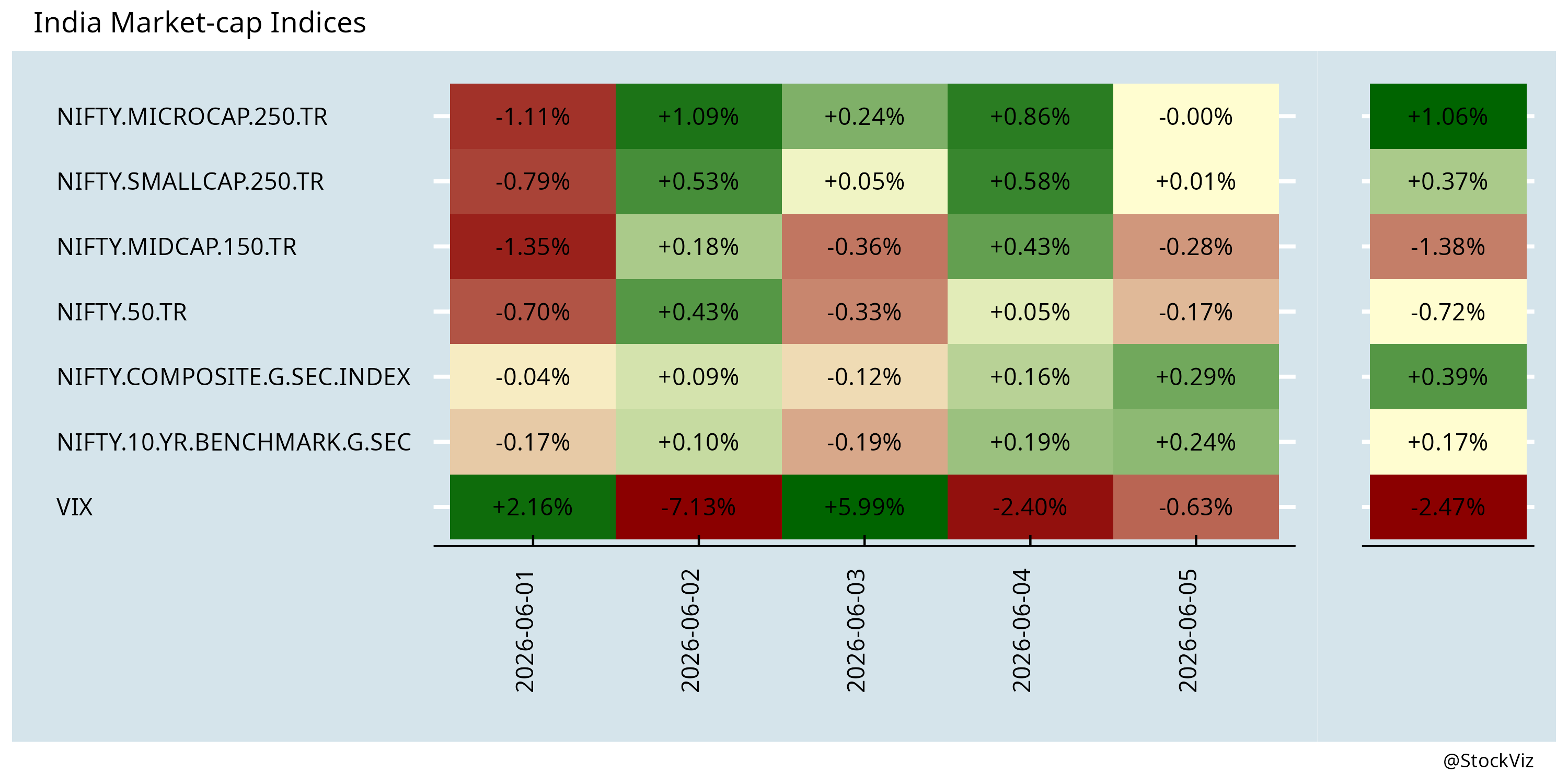
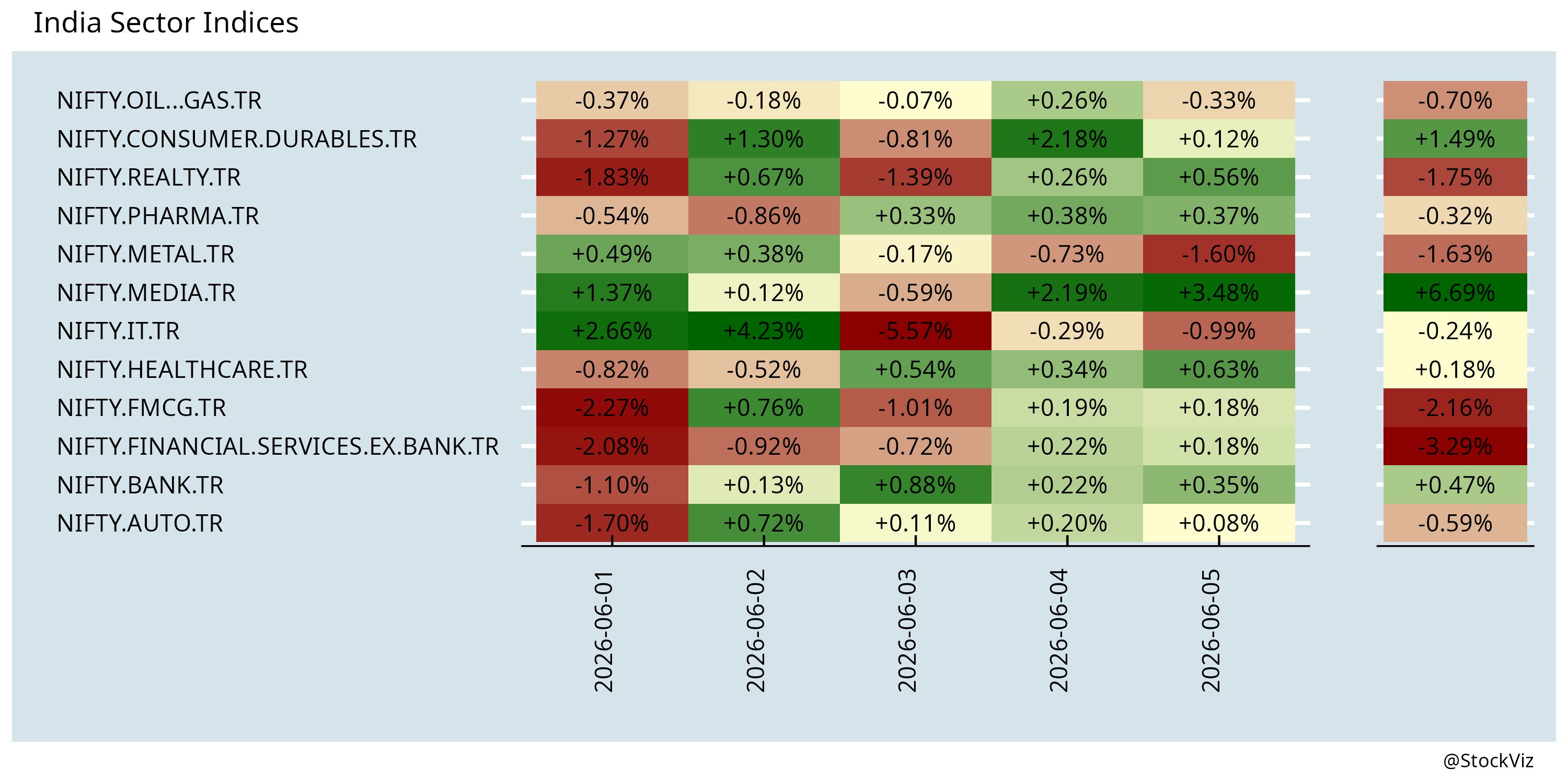
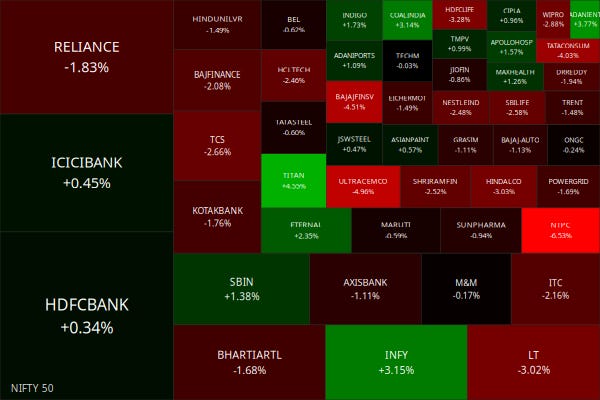
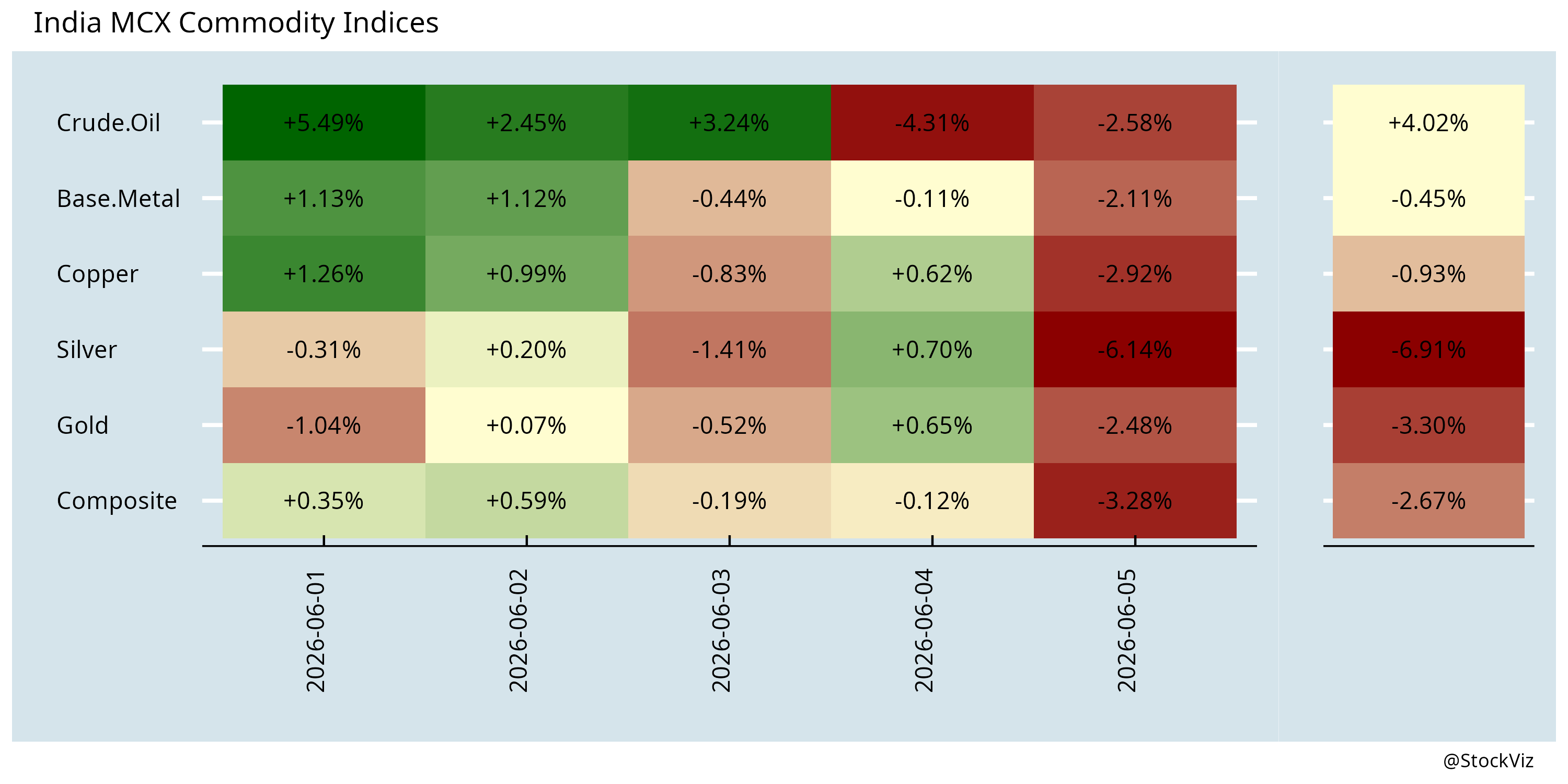
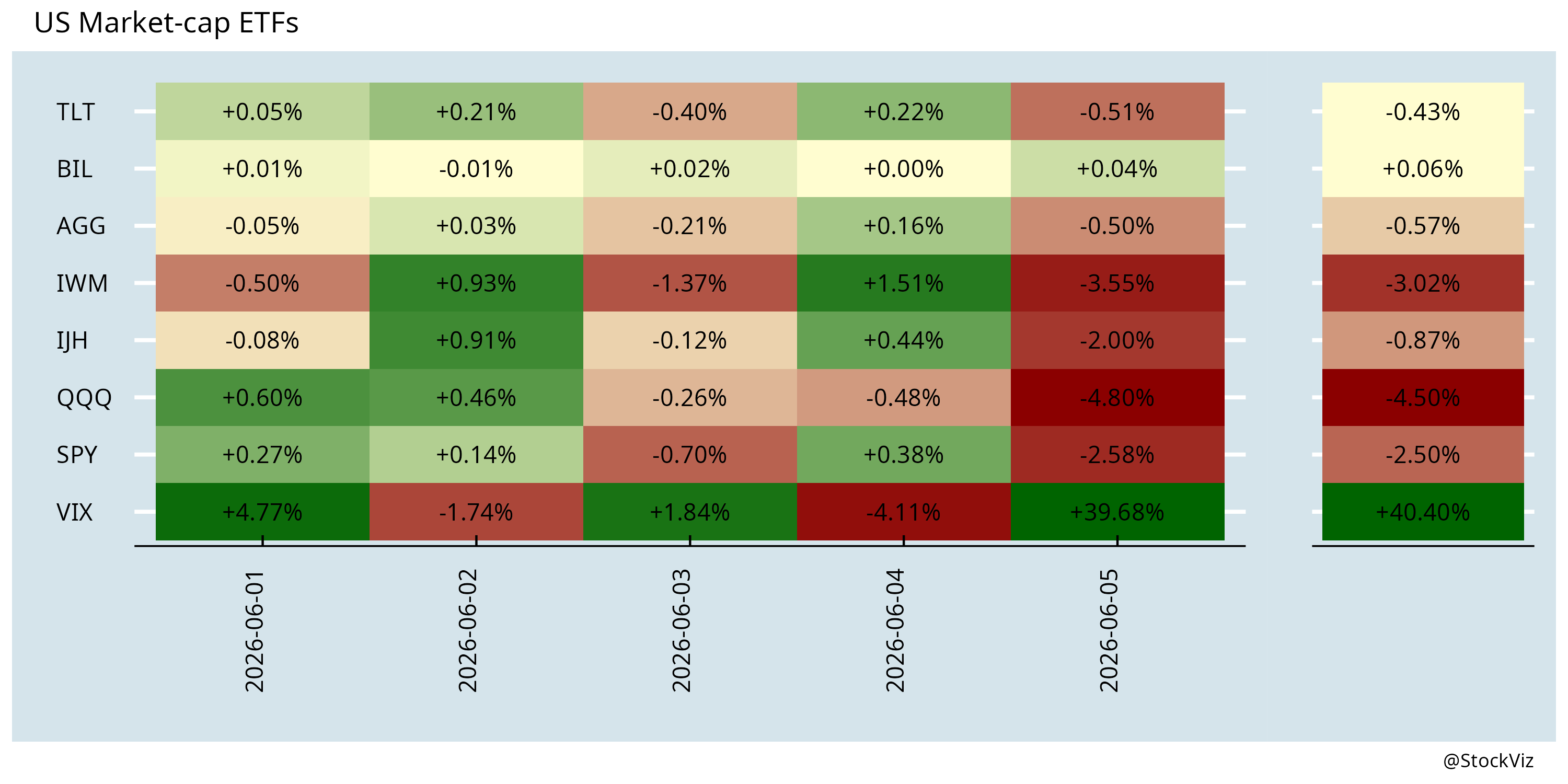
More here: country ETFs, fixed income, currencies and commodities.
Links
Land Appreciates. Homes Depreciate. (housingnotes)
India
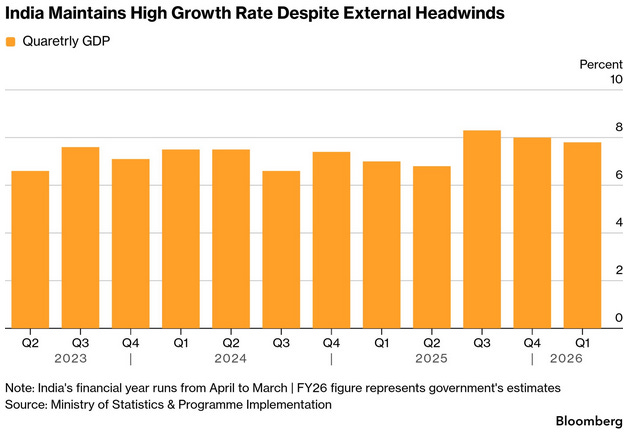
India’s economy grew faster than expected in the three months through March, on sustained private and government spending before higher energy costs began weighing on the outlook (bloomberg).
India scraps capital gains tax on foreign investors in government debt to support rupee (reuters).
Attracting strong and stable FDI is an urgent macroeconomic imperative for India — both for macro stability and growth (indianexpress).
A listed gold company, Rajesh Exports, found to have overstated revenue of its Swiss refining unit Valcambi to the tune of $159 billion (reuters).
We almost became self-sufficient in edible oils. Then, the economy was liberalized in 1991 and homegrown oils started losing out to cheaper imports. By 1998, India was again importing 30% of its demand (livemint).
Indian steelmakers grapple with resurgence of cheap Chinese imports (reuters).
India’s fertiliser imports from China jumped by more than 173% in FY26 compared to the same period last year, reaching 5.02 million tonnes (business-standard).
India plans to regulate consultation fees and common procedure charges at private hospitals (livemint).
India under Modi has gone from ‘fragile five’ to ‘vulnerable one’ (deccanherald).
Why China got rich and India didn’t (substack).
From Chess Piece to Blood Bag? (thewire)
row
BYD is struggling to stay ahead in an industry defined by software (economist).
China’s dual economy—one side producing world-class technology and exports, the other marked by stagnant household incomes and suppressed consumption—is not a transitional imbalance awaiting self-correction. It is a structural design, engineered to serve China’s overriding objective of winning the strategic competition with the United States and establishing global hegemony.
When Strategic Ambition Hollows Out the Foundation (prcleader)
The Second China Shock: North-east Asia’s export industries increasingly operate on two tracks. On one track, the boom in artificial intelligence is driving high-tech exports, by the all-conquering chipmakers of South Korea and Taiwan, and by Japanese makers of equipment and materials used in chipmaking. On the second track, the rest of industry is clapped out. If you exclude semiconductors and AI servers, Taiwanese exports have actually fallen by 40% since 2022. In South Korea, non-AI exports have stagnated and Japan’s industry is in decline (economist).
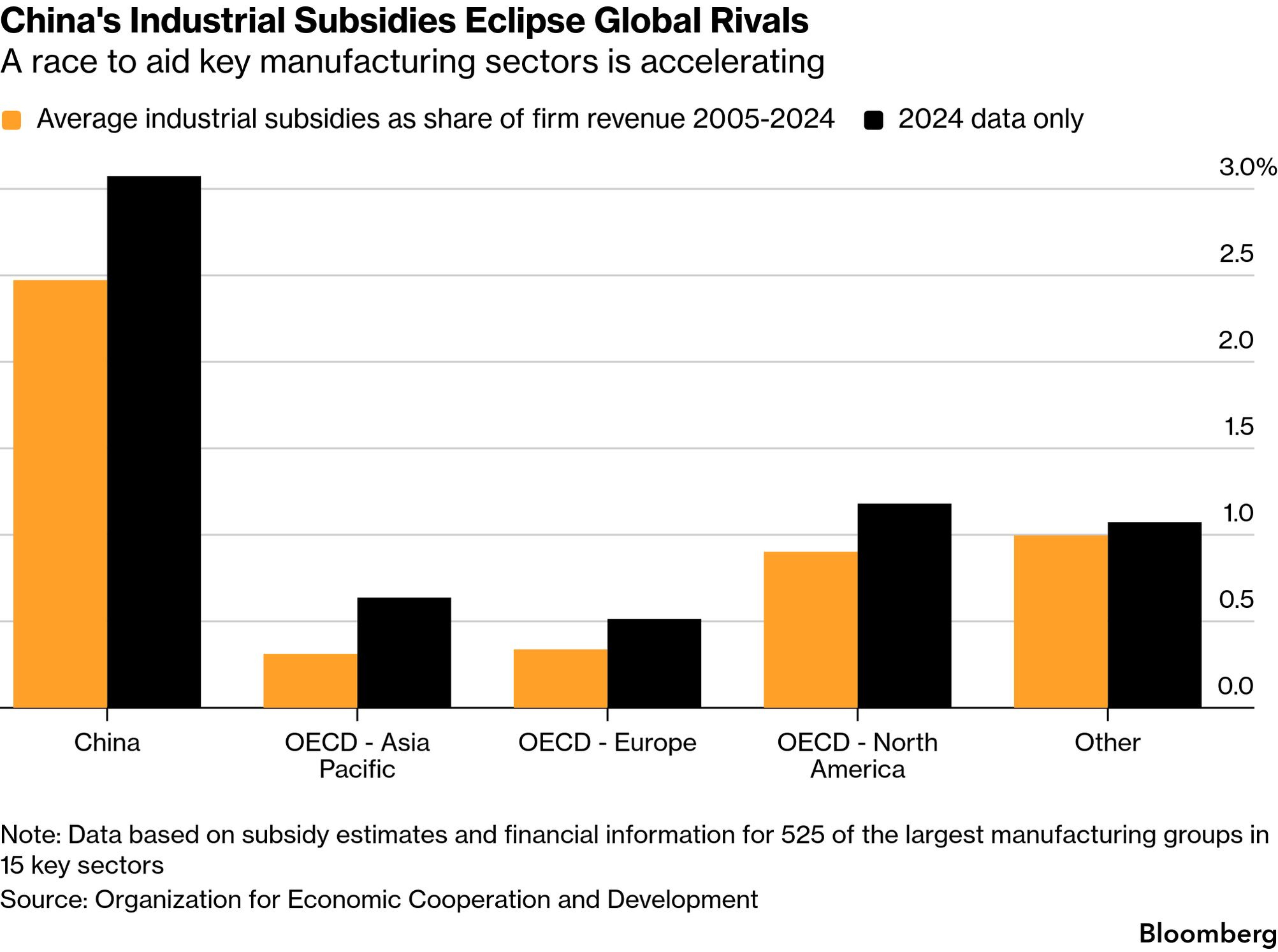
Companies in China benefit from eight times more state support on average than rich-world rivals (ft, bloomberg).
Lab-grown diamonds are now being adopted as chip‑cooling materials, enabling denser and more powerful AI semiconductors (bloomberg).
Successive governments have succeeded in making Britain less attractive to immigrants. Unfortunately, they may also have made the immigrants who arrive less attractive to Britons. As the number of migrant workers has collapsed, asylum-seekers have become a bigger part of the mix.
Britain has crushed immigration, and harmed itself (economist)
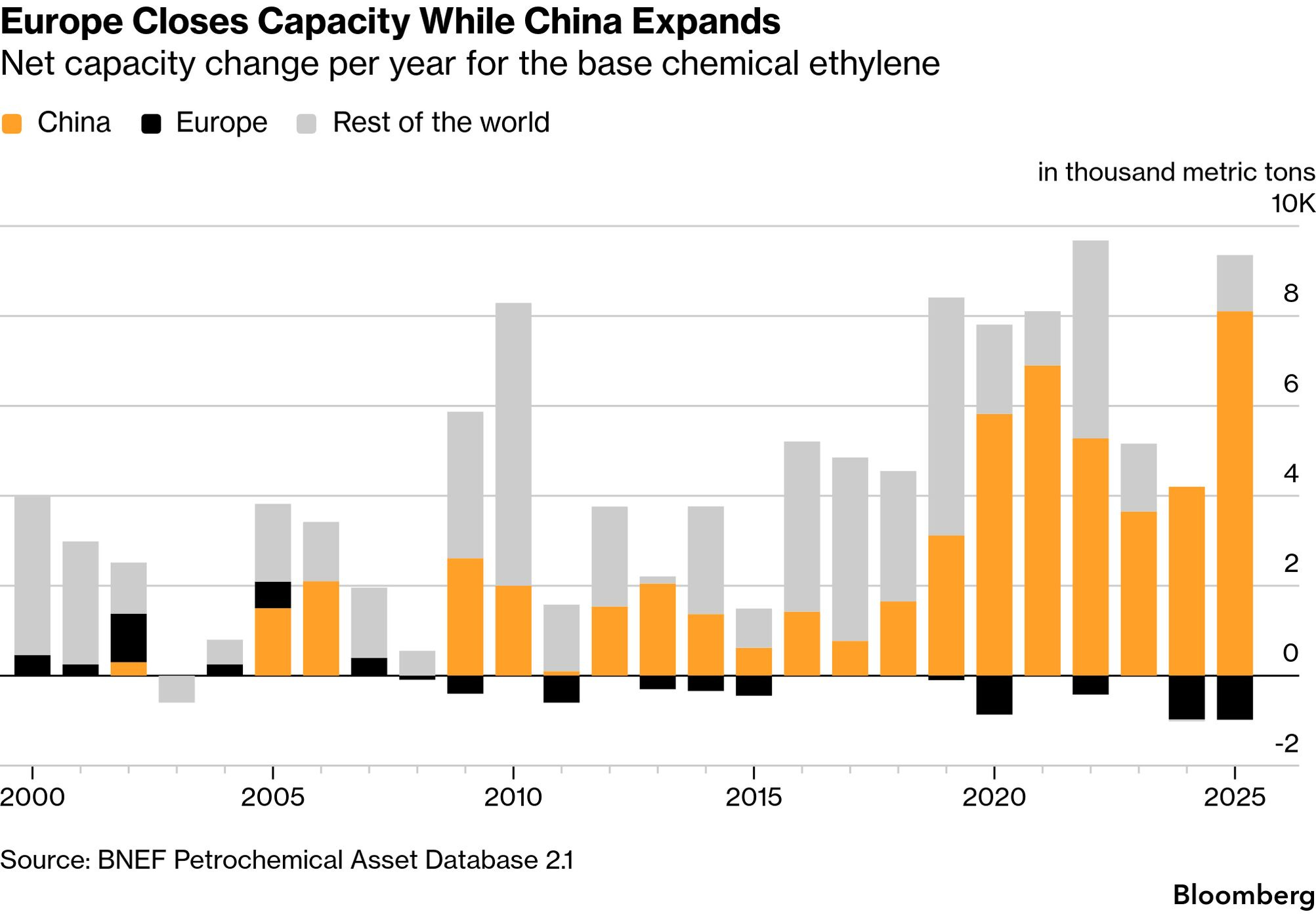
In Europe, more lights will go out at chemical plants (acs, bloomberg).
EU frets as China builds an industrial base in Morocco (ft).
Western automakers are taking advantage of Chinese overcapacity to export lower-cost vehicles to their home markets (ft).
Germany urged to stop admiring Beijing and wake up to ‘China Shock 2.0’ (theguardian, cer).
A decision made 70 years ago to reforest vast swathes of Japan with just two kinds of tree has led to an allergy epidemic (bbc).
Iran Embraces a Forever War (foreignaffairs).
Fertility Crisis
The Global Fertility Crisis Is Worse Than You Probably Think (derekthompson)
India’s fertility story first reached a turning point five years ago, when the National Family Health Survey-5 for 2019-2021 showed the country’s total fertility rate (TFR) had fallen to 2. In 2024, our national TFR fell to a little under 1.9 (livemint).
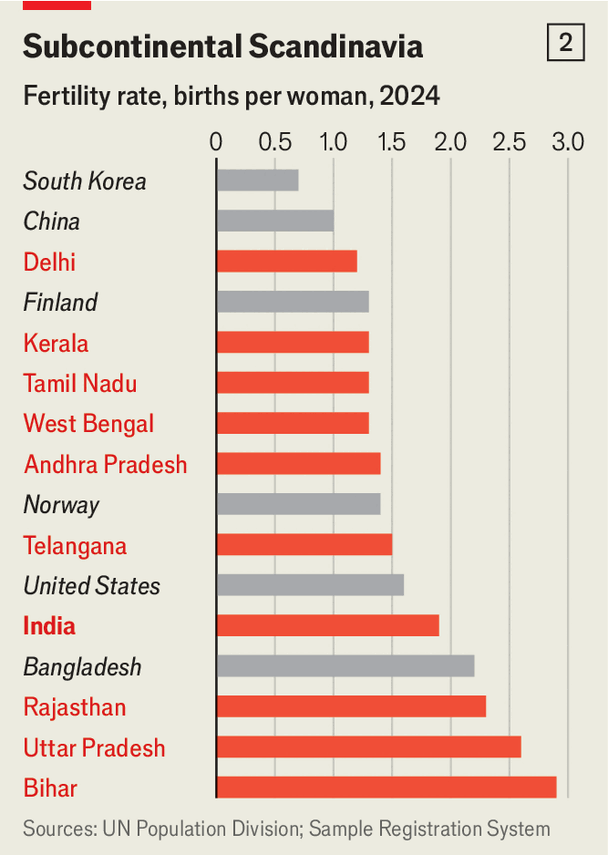
India could end up ageing before it gets rich (livemint).
India’s population will soon be falling—probably quite fast (economist).
Odds & Ends
Being creative requires taking risks (henrikkarlsson).
Meme of the Week