locf
a secret volatility forecasting strategy that beats GARCH, Prophet and Mixture Models

It is said that to be successful at trading options, one needs to be good at forecasting volatility. So, we keep testing different volatility forecasting strategies that come our way to see if they add any alpha.
So far, none have been able to beat locf: last one carried forward. Simply extend the last observation of the VIX forward and you will beat a vast majority of forecasting models.
Some background on Zerodha Varsity: GARCH vs locf.
Using Meta’s Prophet library: Prophet for VIX.
And, more recently, Conditional Gaussian Mixture Models for VIX.
Keep it simple!
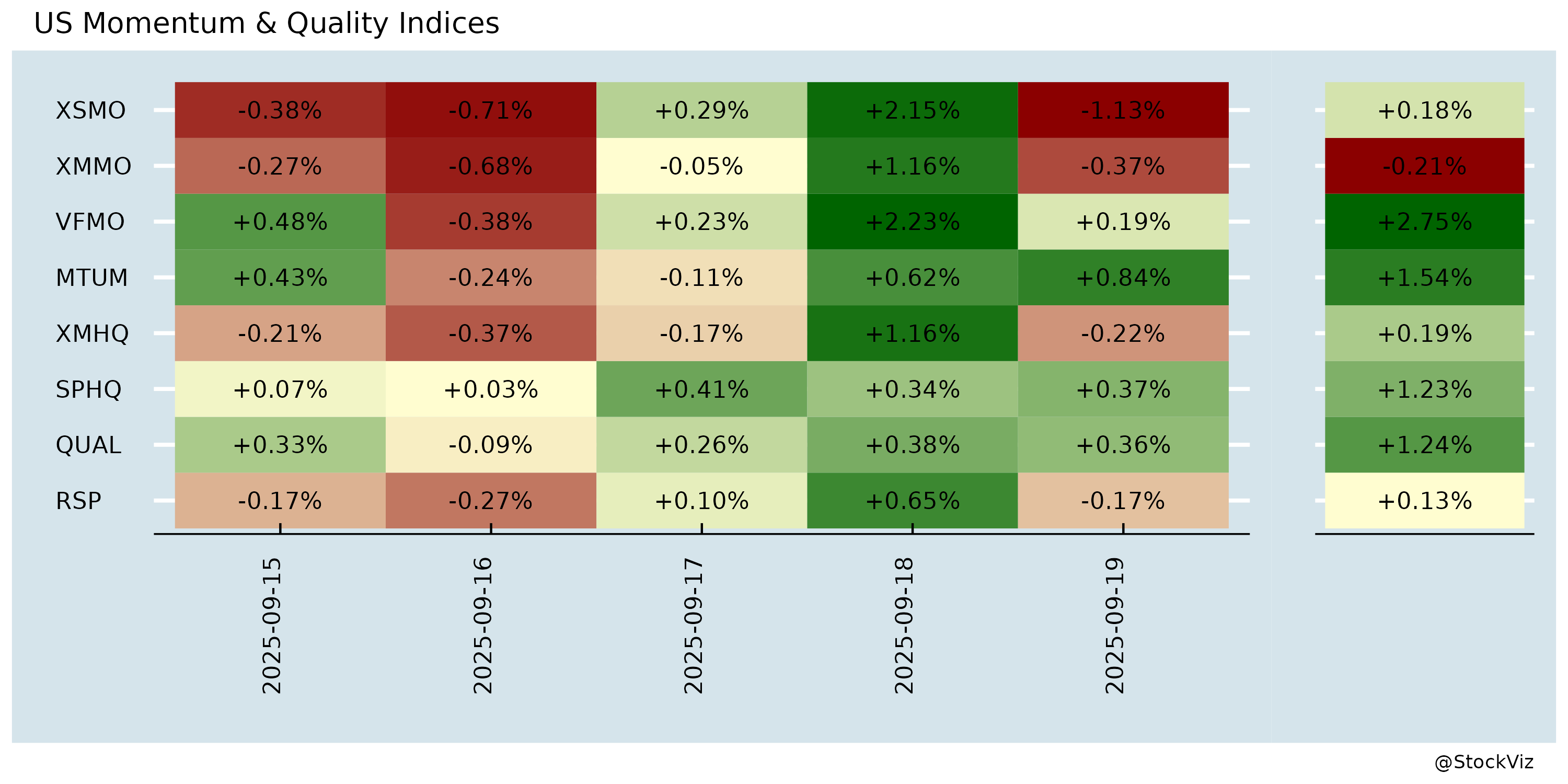
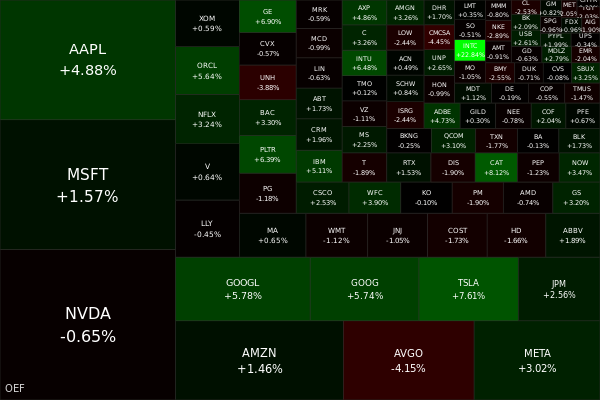
Markets this Week
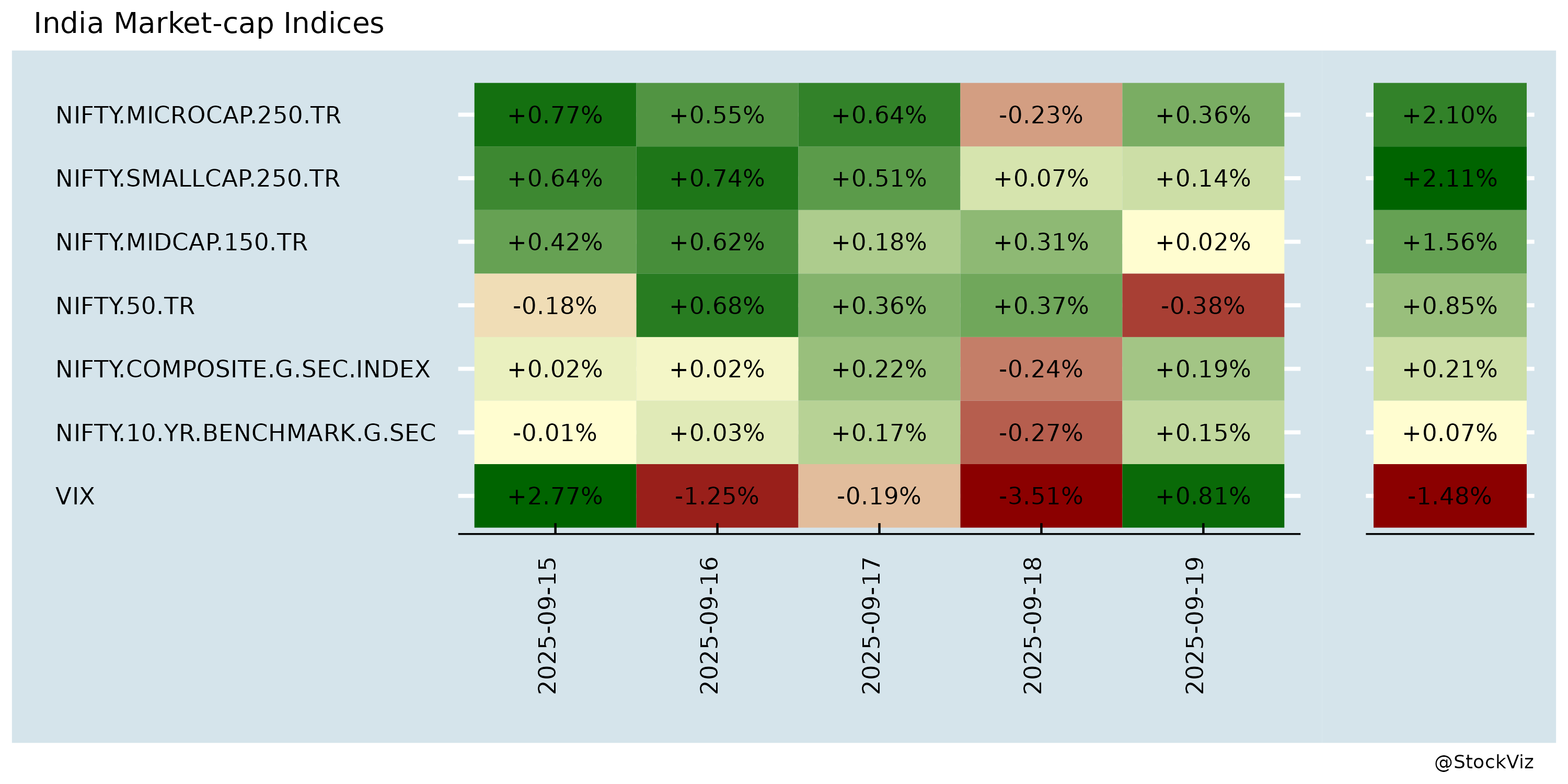
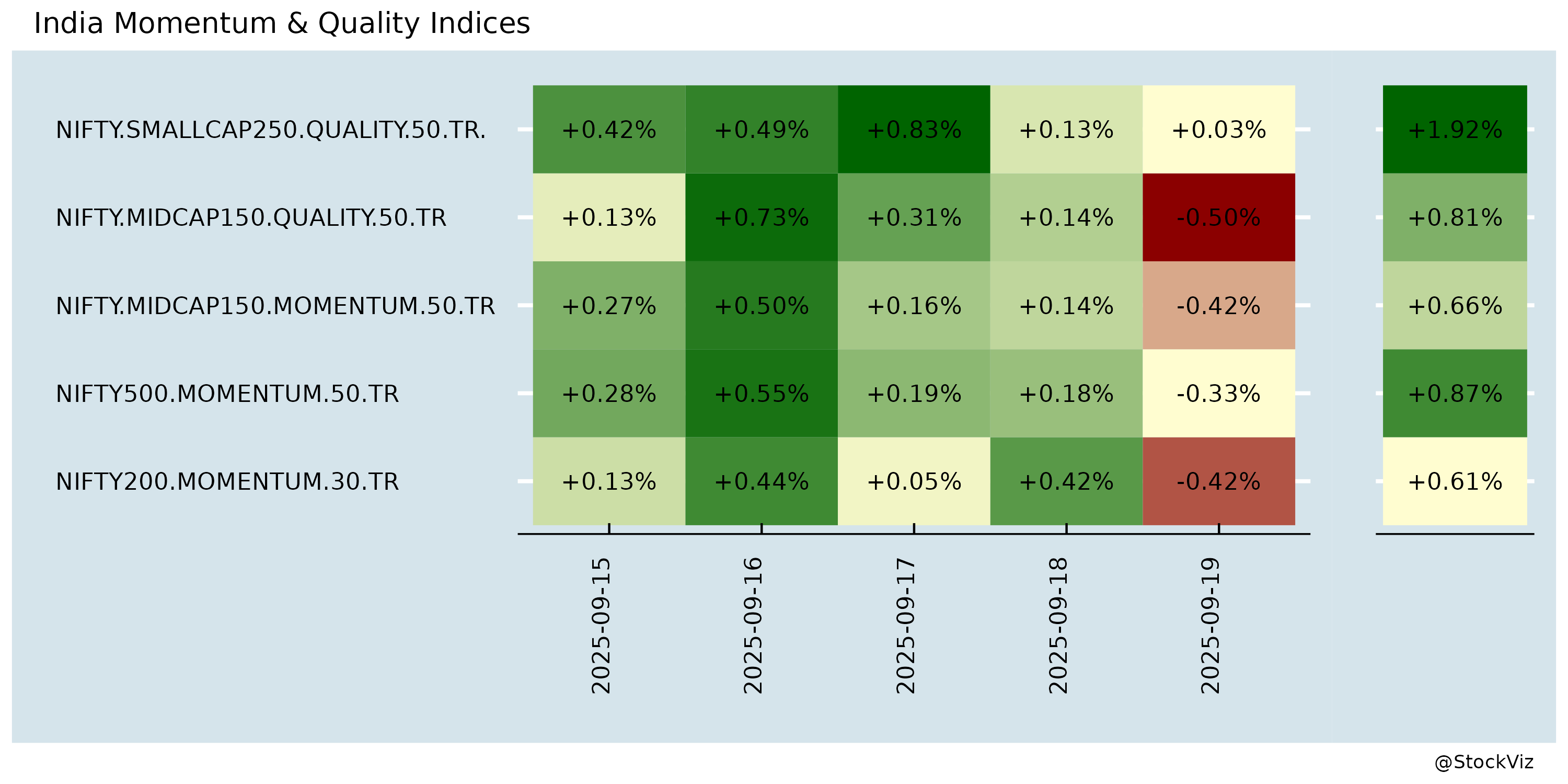

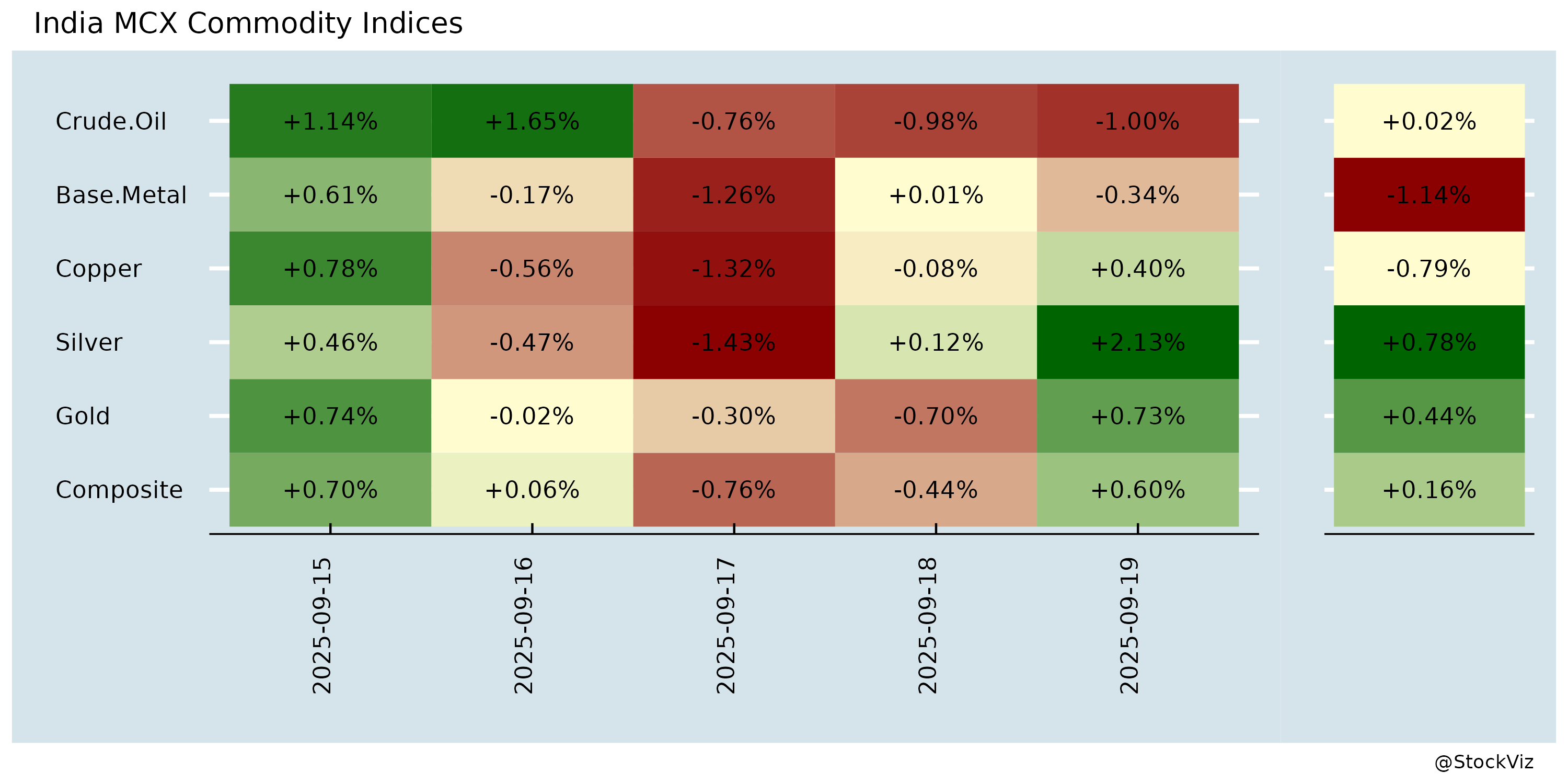
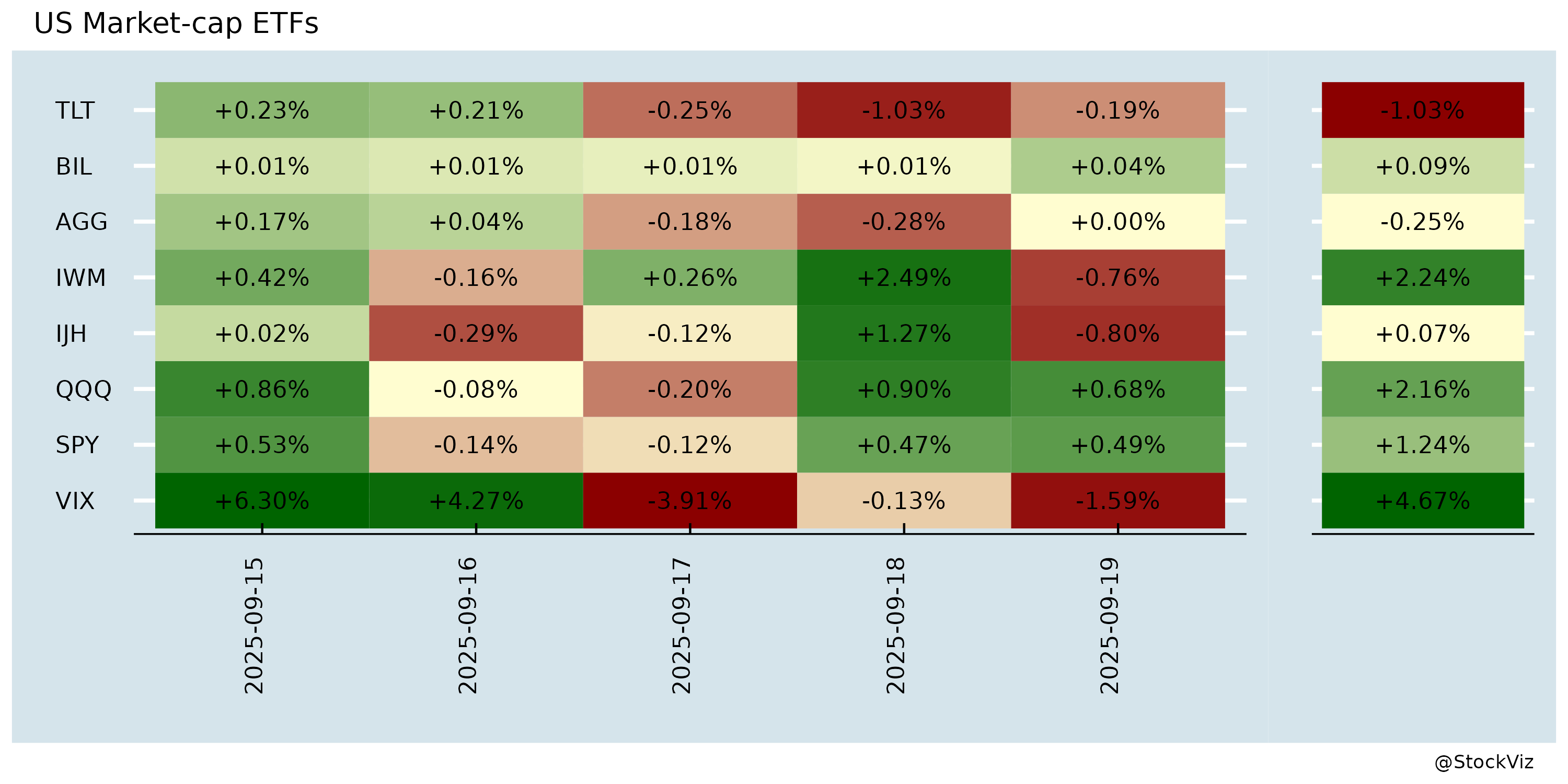
More here: country ETFs, fixed income, currencies and commodities.
Links
Research
Tariffs, Manufacturing Employment, and Supply Chains (NBER)
Tariffs can increase overall manufacturing employment in the long run, but are likely to reduce it in the short run, and cause more reallocation of workers across individual sectors than overall employment growth.
VCBench: Benchmarking LLMs in Venture Capital (arxiv)
We evaluate nine state-of-the-art LLMs and found that several outperform not only the market index but also the leading VC firms, with GPT-4o achieving the highest score. These results show that anonymized founder profiles are sufficient to surpass human-expert baselines in early-stage venture forecasting.
Beliefs about Beta: Upside Participation and Downside Protection (SSRN)
In three large online experiments, we study how investors assess the relationship between their portfolio and the stock market. Participants either select a portfolio of stocks or are randomly assigned a portfolio from a U.S. stock market index. They state their portfolio return expectations conditional on different market outcomes, allowing us to calculate implied beliefs about portfolio beta. We find a general underestimation of beta, which is particularly strong for downside beta. This asymmetric assessment of dependence is amplified for participants who select a portfolio themselves instead of receiving a randomly assigned portfolio. They believe their portfolio goes up with the market but does not come down with it.
India
Trump’s revised H-1B visa fees amount to 10% of the profits of five Indian IT firms (livemint).
India and the US are negotiating a trade pact but India’s unwillingness to open up the agriculture and dairy sectors have become a sticking point. Removal of protection right now will result in a flood of imports that could cause social upheaval, eventually hitting India’s self-sufficiency in milk (livemint).
Sebi gives clean chit to Adani on Hindenburg allegations (economictimes)
The Finance Ministry has begun consultations with various ministries and departments to explore new avenues for capital expenditure in the upcoming fiscal year (economictimes).
India needs a much larger govt spending outlay, to enhance state capacity in a range of areas, but specially focused on R&D and industrial capacity. R&D spends of India Inc are amongst the lowest among major economies and the Indian state needs to step up to fill the gap (timesofindia)
SEBI’s equity tag for REITs a game-changer; market could double in size (cnbctv18)
Ex-Gameskraft CFO diverted Rs 270 crore for F&O trading (timesofindia)
Amazon’s Axio acquisition: India currently has about 850 million internet users, of which only 20-25% shop online. The large base of internet users who are not served by credit overlaps neatly with those who will be the next set of e-commerce consumers (livemint).
Amazon India's advertising revenue is growing faster than its e-commerce business (livemint)
Thyssenkrupp gets non-binding bid for steel unit from Jindal Steel International (reuters)
row
Trump to impose $100,000 fee per year for H-1B visas (reuters).
Grain has gone from famine to feast. Prices are close to a five-year low (economist).
The U.S. central bank lowered its benchmark interest rate by a quarter of a percentage point to the 4.00%-4.25% range, and indicated more cuts would follow at meetings in October and December (reuters).
The trifecta of rich valuations, increasing macro risk, and—perhaps most importantly—deteriorating company fundamentals is very dangerous. We believe much of today’s market leadership has effectively become indexed to the AI theme, whether it be industrials, independent power producers, semiconductors, or capital market businesses.
Trump calls for US companies to ditch quarterly reporting (ft)
US to consider new national security tariffs on auto parts (reuters)
Nvidia takes $5 billion stake in Intel (reuters).
Eli Lilly & Co.’s obesity pill achieved weight loss of 11.2% in adults and had side effects in line with the shots available today (bloomberg).
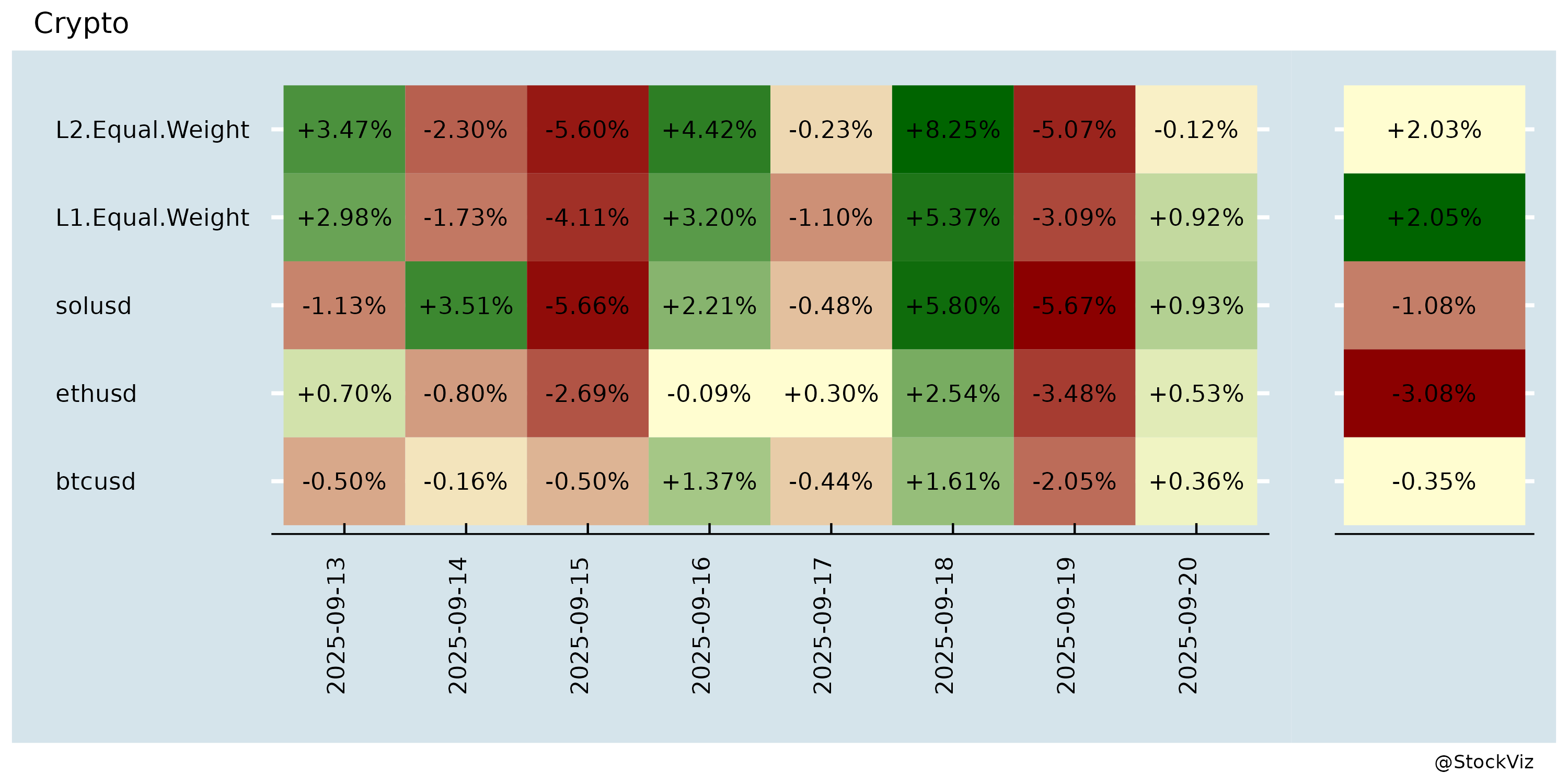
SEC removes the last remaining hurdle to dozens of new spot ETFs tied to cryptocurrencies ranging from solana to dogecoin. (reuters)
China’s cyberspace regulator has instructed companies to halt orders for certain Nvidia chips used in workstations (bloomberg).
China’s leading chip producer, SMIC, is running trials on the country’s first domestically produced advanced chipmaking equipment in an effort to challenge western rivals in producing artificial intelligence processors. (ft)
Alibaba-developed AI processor on par with Nvidia's H20 chip (yahoo)
China is sending its world-beating auto industry into a tailspin (reuters).
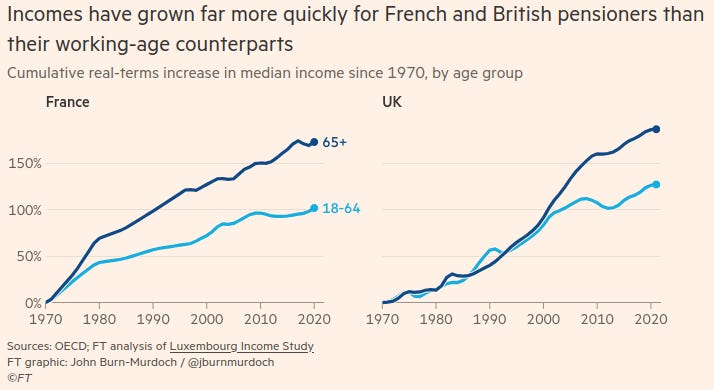
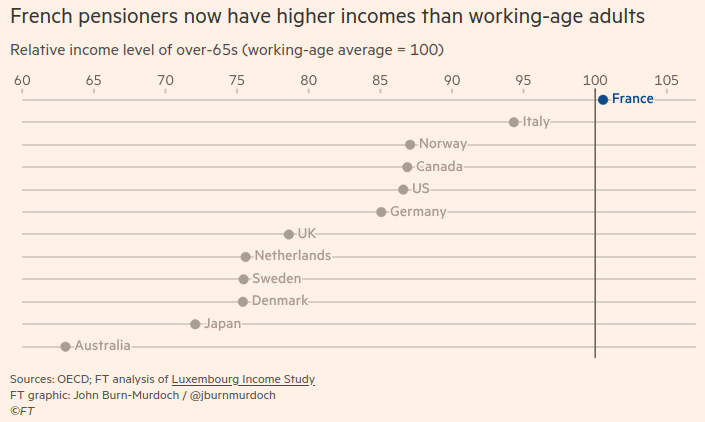
France and Britain are in thrall to pensioners (ft)
Vietnam has erased and/or frozen 86 million unverified bank accounts. Vietnam’s Aadhaar KYC moment. (armstrongeconomics)
Odds & Ends
Google adds stablecoin support to new AI payment system (yahoo).
Prediction markets are booming. They’re trading billions on politics, sports, and celebrity gossip. And SEC’s insider trading rules don’t apply (citationneeded).
The spread of nitazenes: opioids dozens of times stronger than fentanyl (economist, economist)
Meme of the Week