Rollovers
leverage is not free

Futures and options are best used for short-term trades. While embedded leverage make it seem like you could use them for long-term positions, it needs to be weighed against the all-in cost of doing so. Here’s one: The Rollover Cost.
Also, we updated the AI summaries at the industry level. Check out Private Sector Banks’, for example. Industry return metrics can be found here: Industry Metrics.
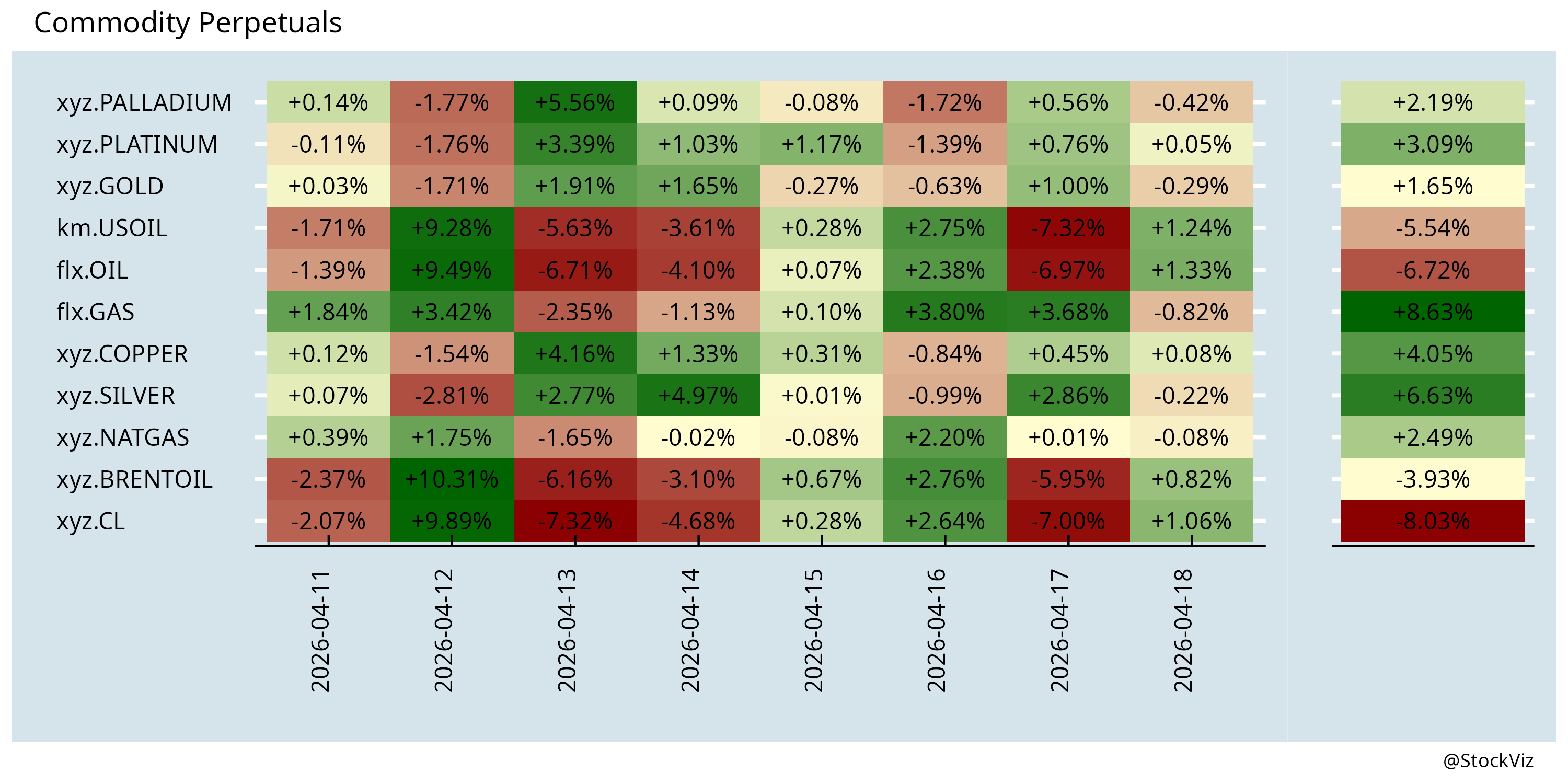
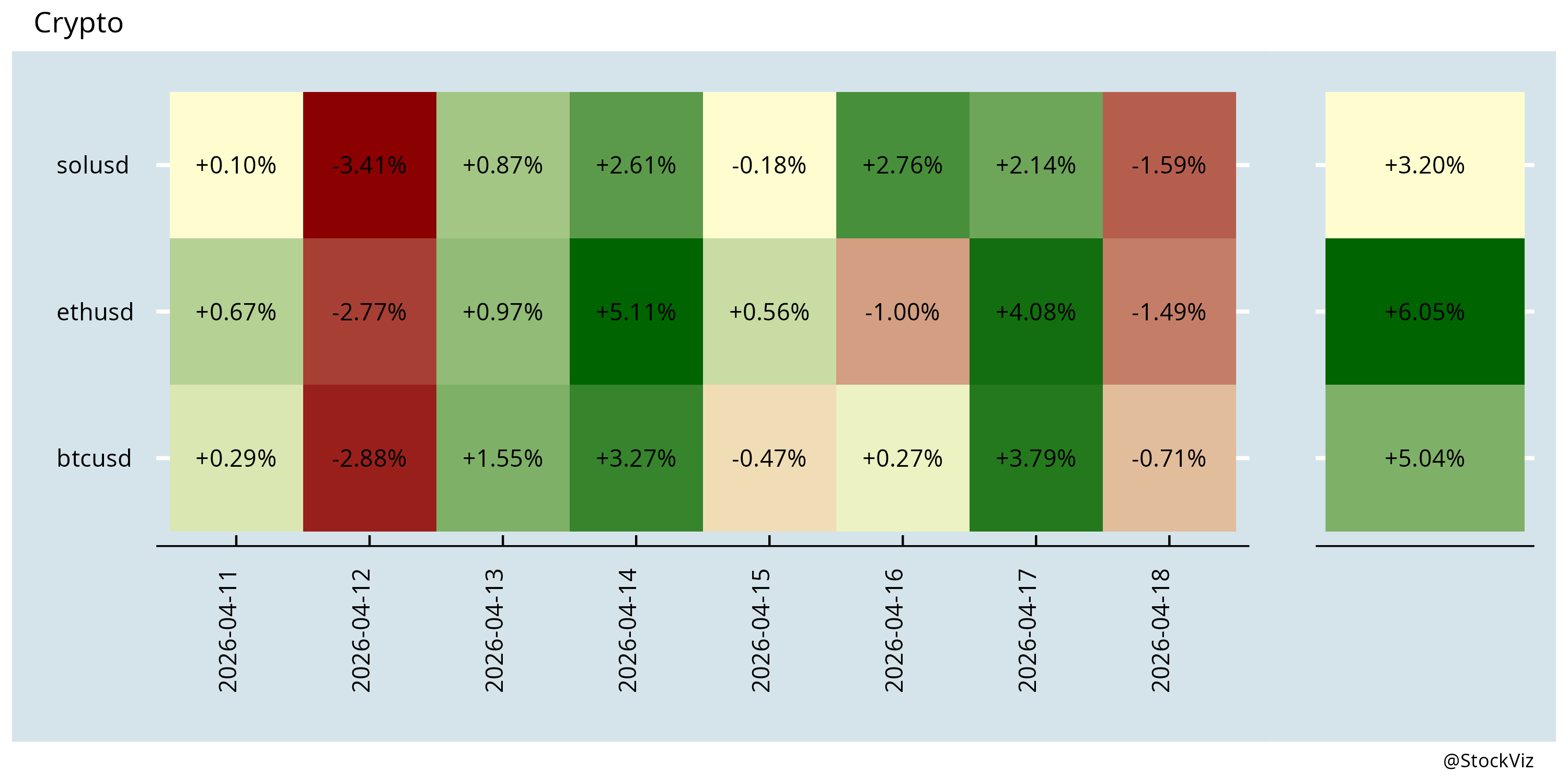
Markets this Week
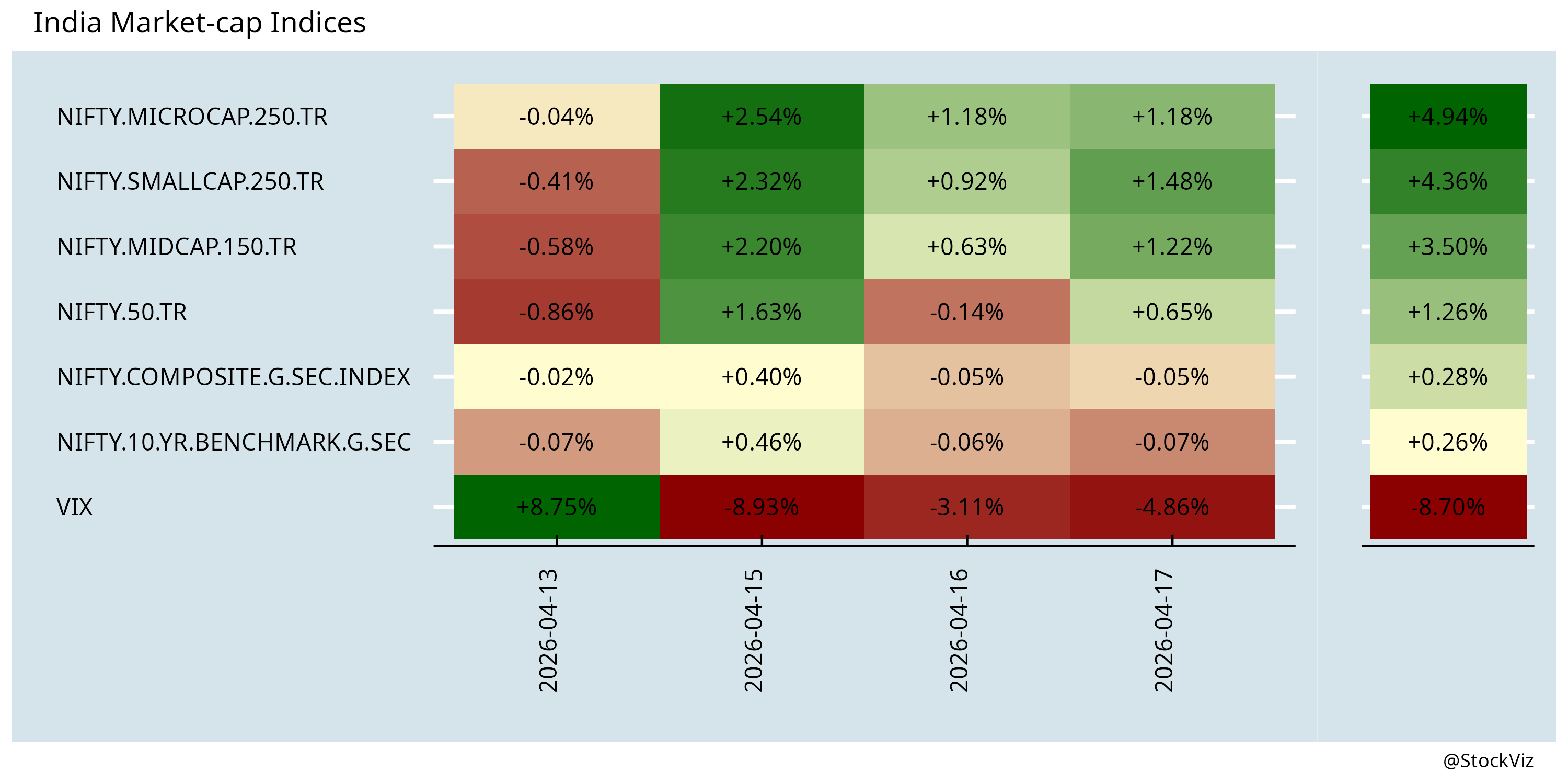
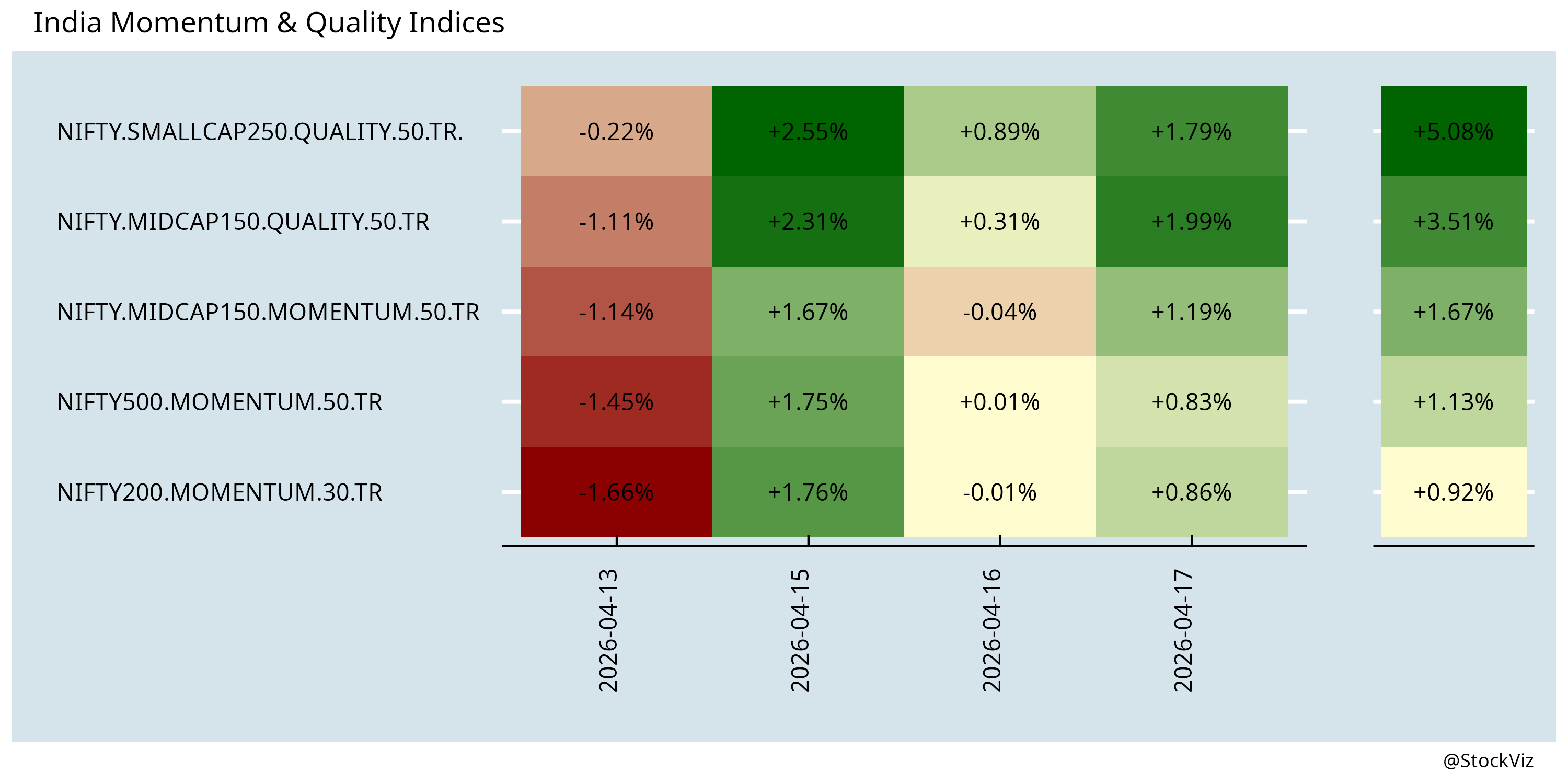
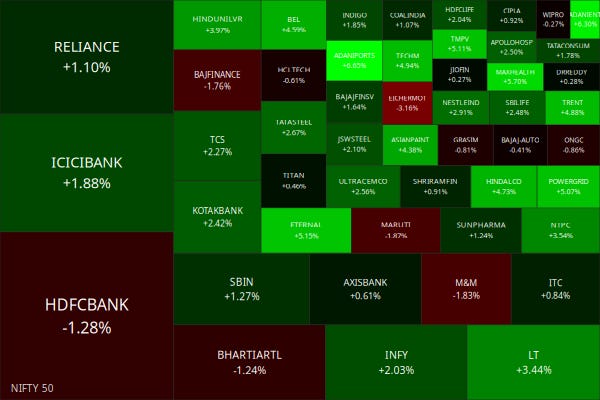
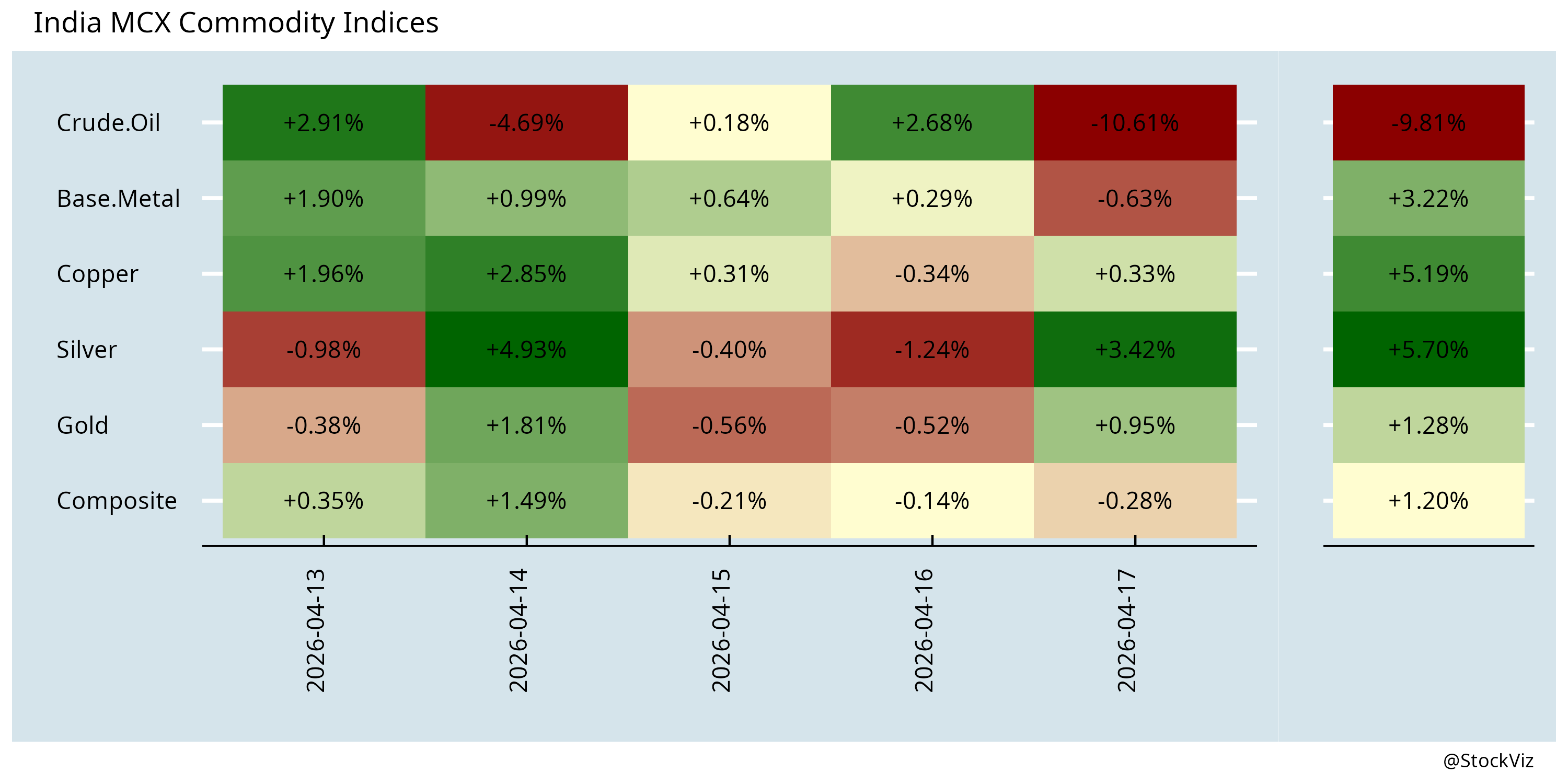
More here: country ETFs, fixed income, currencies and commodities.
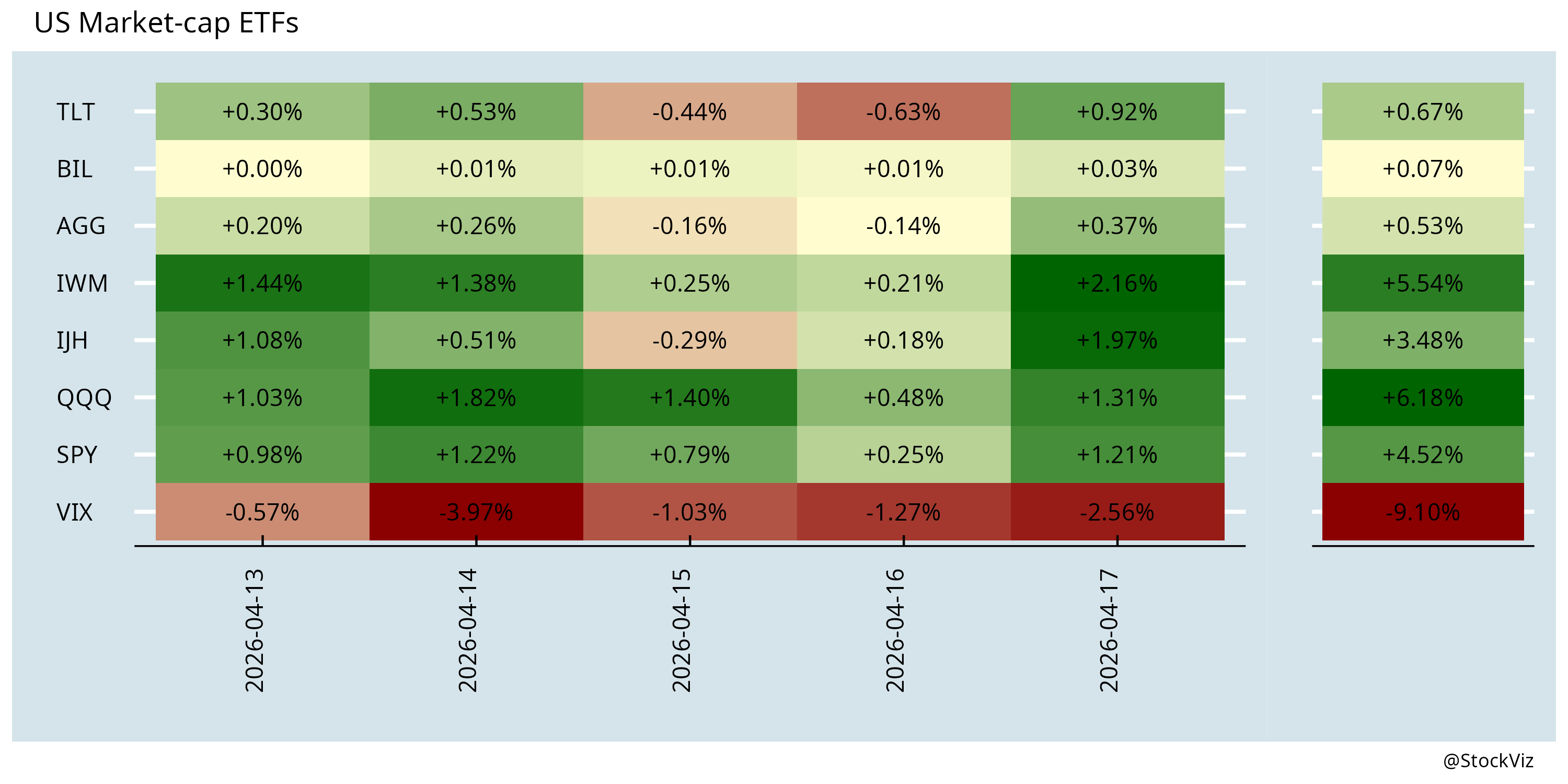
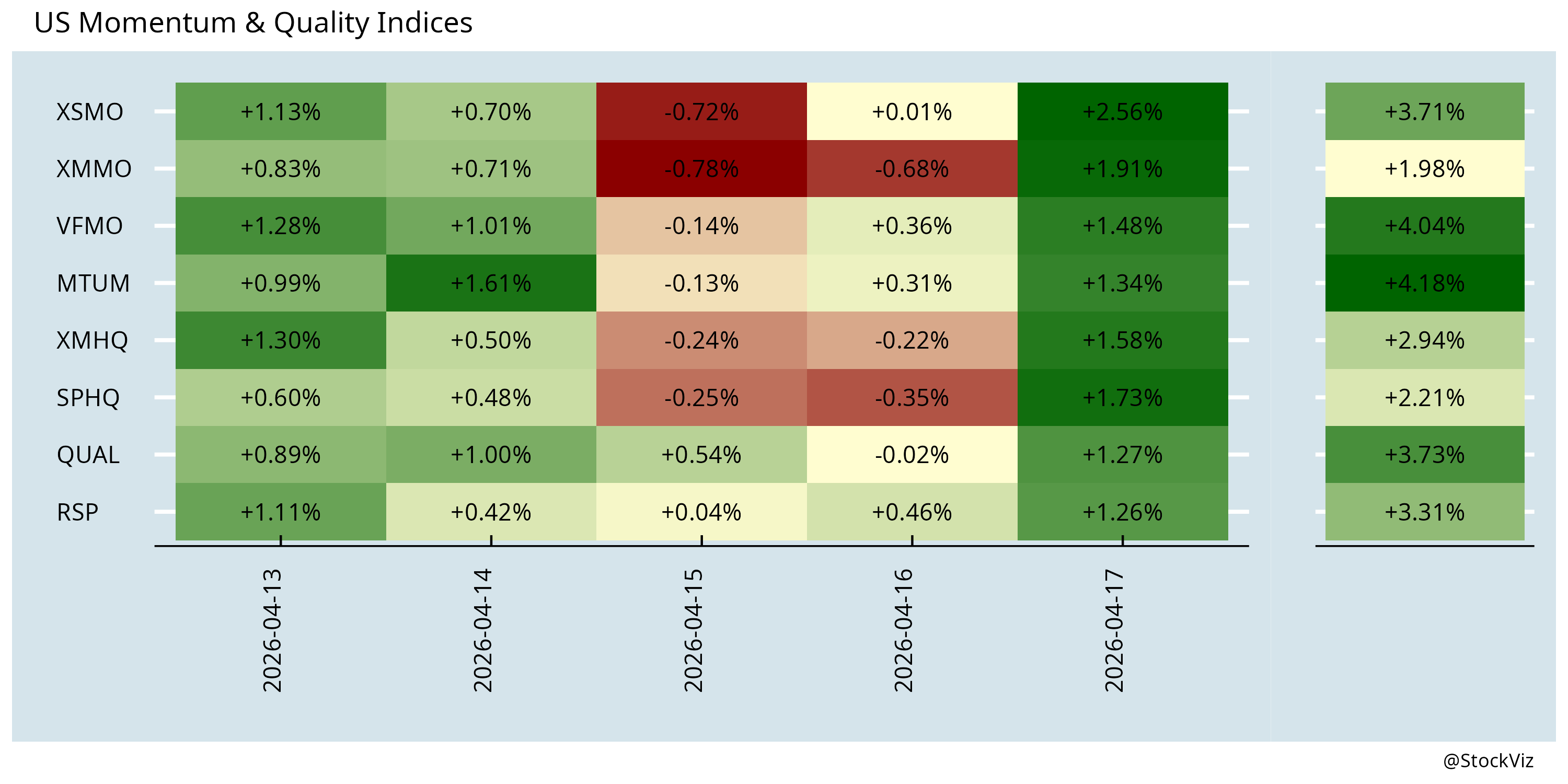
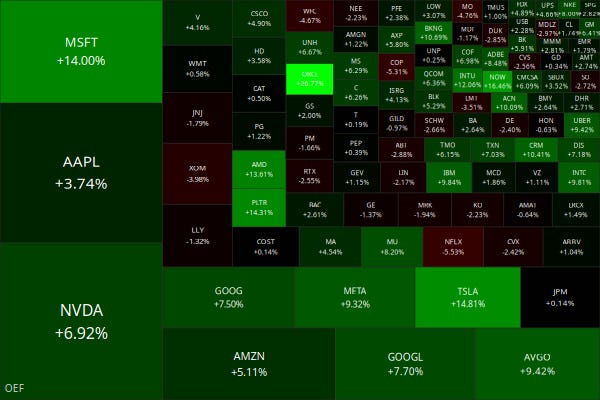
Links
Research
The Intramonth Momentum Cycle (SSRN)
US equity momentum returns accrue almost entirely in just six trading days each month. We show this concentration arises from investors' dash-for-cash: the need to raise cash before month-end payment obligations leads to selling pressure on loser stocks a few days before month-end. A value-weighted WML strategy invested only during days T−9 to T−4 relative to the last trading day turns $1 into $18.8 over 1980–2025, compared to $2.4 for the rest of the month.
Anomaly-Driven Demand (SSRN)
We show that trading on anomalies generates price pressure in the underlying stocks. We construct a proxy for anomaly-driven demand (ADD), capturing demand generated when investors rebalance into and out of anomaly long and short legs. Stocks with high ADD earn significantly higher subsequent returns than stocks with low ADD. This effect carries over to anomalies: anomalies whose constituent stocks have the highest ADD earn 8.04 percentage points higher annualized returns than those whose contituent stocks have the lowest ADD.
An Index of Commodity Futures Returns Since 1871 (SSRN)
This paper documents the returns to a broadly diversified index of commodity futures over more than 150 years of U.S. market history, that accounts for survivorship bias. We find that commodity futures have earned an average annual risk premium of 5.4% over the risk-free rate and a premium over US inflation of more than 6% per annum. Commodity futures have outperformed equities in roughly 43% of years and in two out of every five decades.
Economic Backwardness in Political Perspective (NBER)
We construct a simple model where political elites may block technological and institutional development, because of a 'political replacement effect'. Innovations often erode elites' incumbency advantage, increasing the likelihood that they will be replaced. Fearing replacement, political elites are unwilling to initiate change, and may even block economic development. We show that elites are unlikely to block development when there is a high degree of political competition, or when they are highly entrenched. It is only when political competition is limited and also their power is threatened that elites will block development.
The Empathy Channel in Fertility (NBER)
Being around babies makes people want babies.
India
India is likely to see below-average monsoon rains for the first time in three years. The IMD's first forecast of rainfall at 92% of the long-period average is the lowest in nearly three decades (reuters).
HAL, GE Aerospace reached a technology agreement to jointly manufacture jet engines. The pact includes the transfer of manufacturing expertise to India (ndtvprofit).
Foreign players are increasing their presence in India's electronic manufacturing sector through company partnerships and government-backed incentive programs as the country looks to move up the value chain (nikkei).
How Chinese cloud helped Pak’s ISI tap into CCTV cameras, track Army movements (indiatoday).
India's indigenous navigation system is now, for all practical purposes, offline (swarajyamag).
In 1960, West Bengal was the third-wealthiest state in India. In 2026, it ranks twenty-fourth. Interest payments consume more than 20% of revenue receipts. Over 6,600 companies have quietly relocated out of West Bengal since 2011. Approximately 22 lakh workers now seek employment outside the state as a natural consequence (swarajyamag).
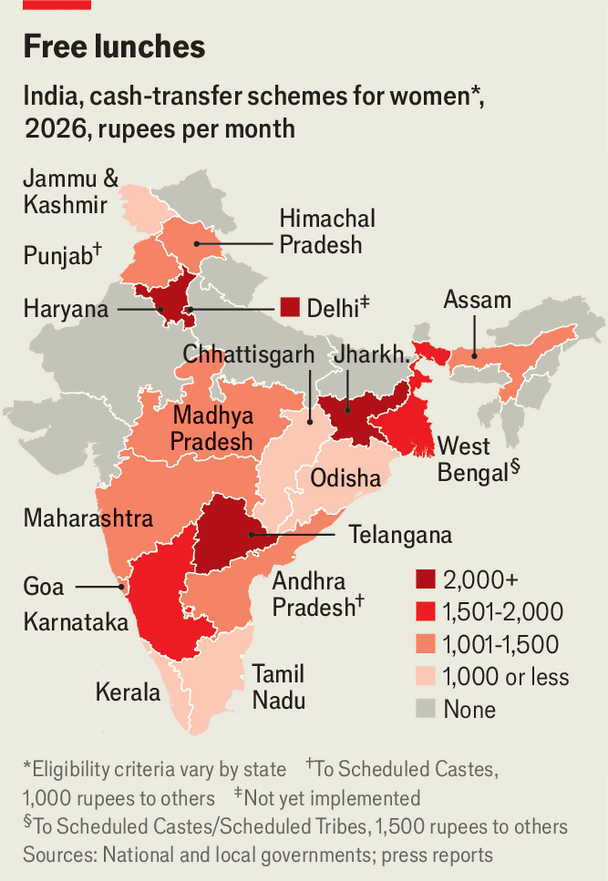
Women are more likely to be won over by tangible promises of welfare. Politicians are doling out cash to get their support (economist).
row
The shale revolution has fundamentally altered how much global energy markets constrain US foreign policy (ft).
There never was a “Sell America” trade and there’s no “Hedge America” trade either (robinjbrooks).
Beijing has enacted sweeping new regulations to investigate and punish foreign companies that stop using Chinese suppliers. Regulations make it harder for foreign companies to divest from joint ventures in China or shift orders to overseas suppliers. (nytimes).
Companies that can survive in China are unbeatable anywhere else in the world. From chemicals to solar to the manufacturers providing components for the car and wind giants: volumes keep rising but profits are shrinking or negative (ft).
A.I.
AI demand is inflated, and only Anthropic is being realistic (cnbc).
Meme of the Week