Sell IT
the Software Singularity doesn't need software

This week saw the US markets question the valuation of software companies in the light of a new AI releases. Initially triggered by Anthropic’s Claude Cowork tool and accelerated by OpenAI’s Frontier platform for AI agents and then the release of Opus 4.6, investors began to question the terminal value of most SAAS products.
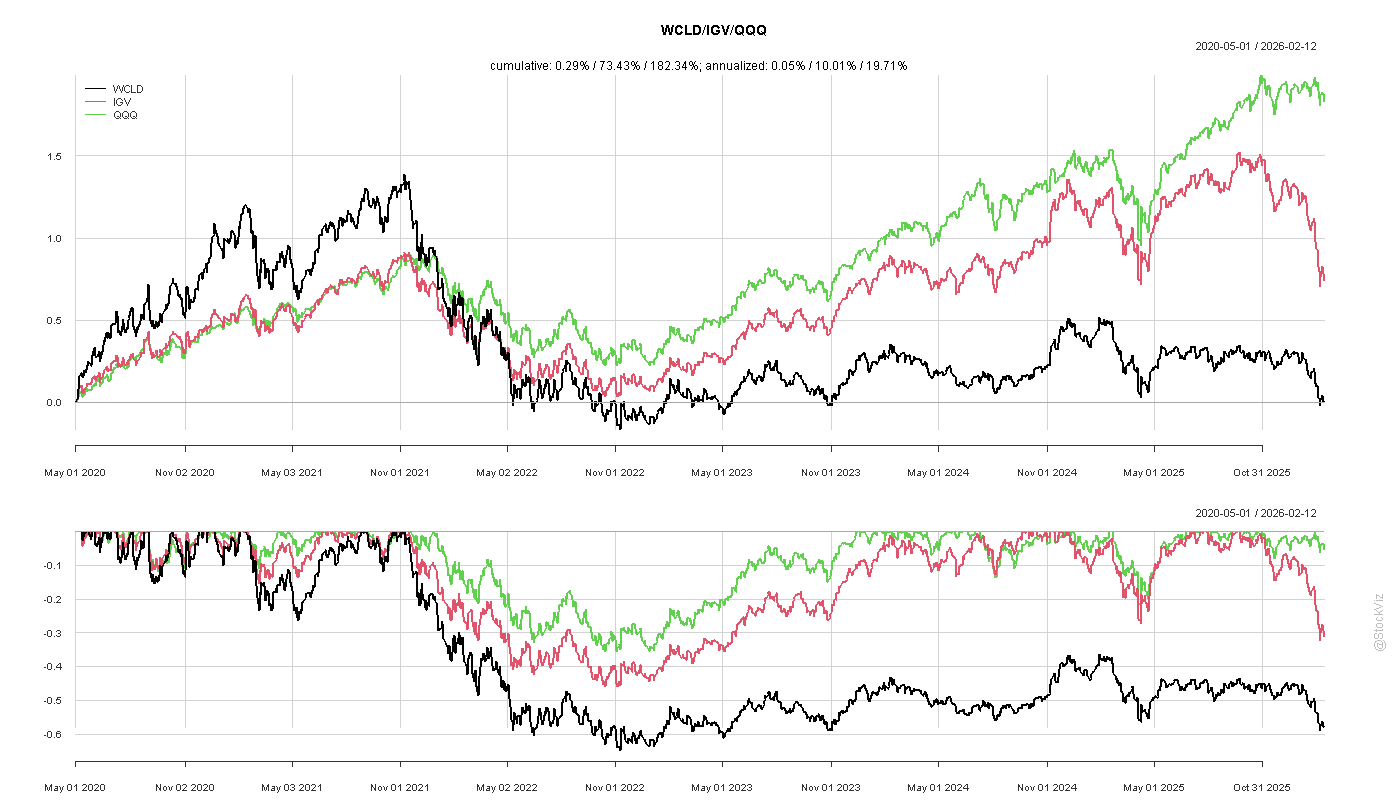
ETFs tracking software cos like IGV 0.00%↑ are seeing 30-50% drawdowns.
Indian IT has not been spared either, with the IT index down 30% this year.
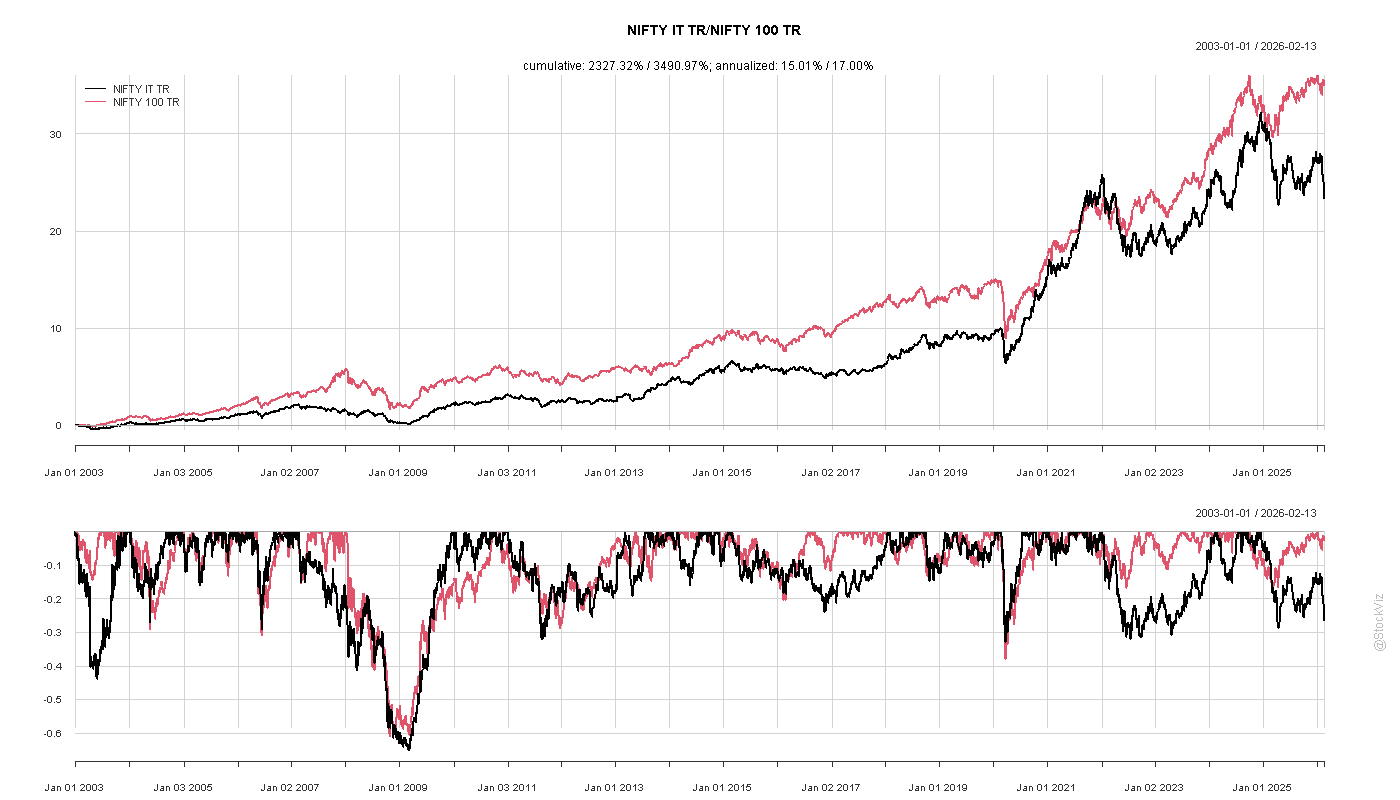
Some investors are of the belief that all this a storm in a tea cup and that this too shall pass. To figure out how impaired Indian IT could be, lets unpack some of these new AI releases.
AI Agents
Between 8-10% of TCS and INFY revenues are from BPO/KPO services. AI Agents likely make them zeros under the current business model. You simply don’t need so many people reading PDFs and entering them into software systems. A person with a thorough understanding of the workflow can write a bunch of agents to automate what an operations team currently does. Writing an Agent is not that difficult. Besides, you don’t need a computer science degree to do it.
The fear for this segment seems justified.
Programming
AI has supercharged application development and QA. The models are robust enough that one can go directly from Business Analysis (what needs to be done) to AI Execution (the actual software) without hiring a team of software programmers. And even if such a team were required, you’ll probably need 1/10th the previous size.
Expect hiring freezes and layoffs as these verticals get reorganized.
AI Business Operating Systems
Some software are deemed “systems of record” and a common refrain is that “nobody is going to vibecode an SAP replacement”.
Software is typically built to fit into a generic corporate structure and workflow with humans at the center of it. Everything from CRM to ERP systems are built around humans. However, that many not be true for long.
A Bangalore based company has launched SuperOS - the world’s first AI Operating System that is already running an hospital.
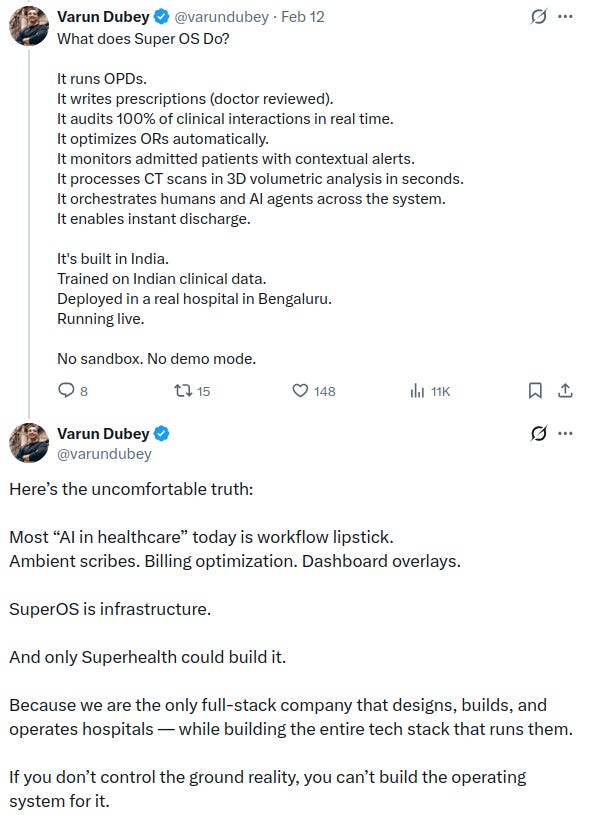
AI-centric software doesn’t need the baggage that human-centric software brings and the entire market is up for grabs.
What Next?
Companies are already doing vendor audits and replacing software with AI where feasible. Indian IT could benefit from large-company inertia for a while but they will eventually get there.
As service providers, Indian IT’s AI gains could be a pass-through. The productivity gains from current AI initiatives will not be entirely theirs to keep, so the current margin boost could prove ephemeral (see KPMG asking their auditor to pass on AI cost-savings to them).
All said, this is not the first existential threat faced by Indian IT. In the past, they have been able to turn Y2K, Contact Center and Cloud Migration challenges into opportunities. And I have no doubt that they will figure out a way to navigate the AI challenge as well. However, it will be a long, bloody battle.
Niche work, if you can get it
Human Intelligence could end up becoming a niche. We might all end up becoming gig-workers in AI-driven organizations where we’ll be hired for our narrow, domain-specific expertise… to train AI (Rent-a-Human, anyone?)
If you do not have a client-facing job, now would be a good time to get one and hope that Baumol’s Cost Disease works in your favor.
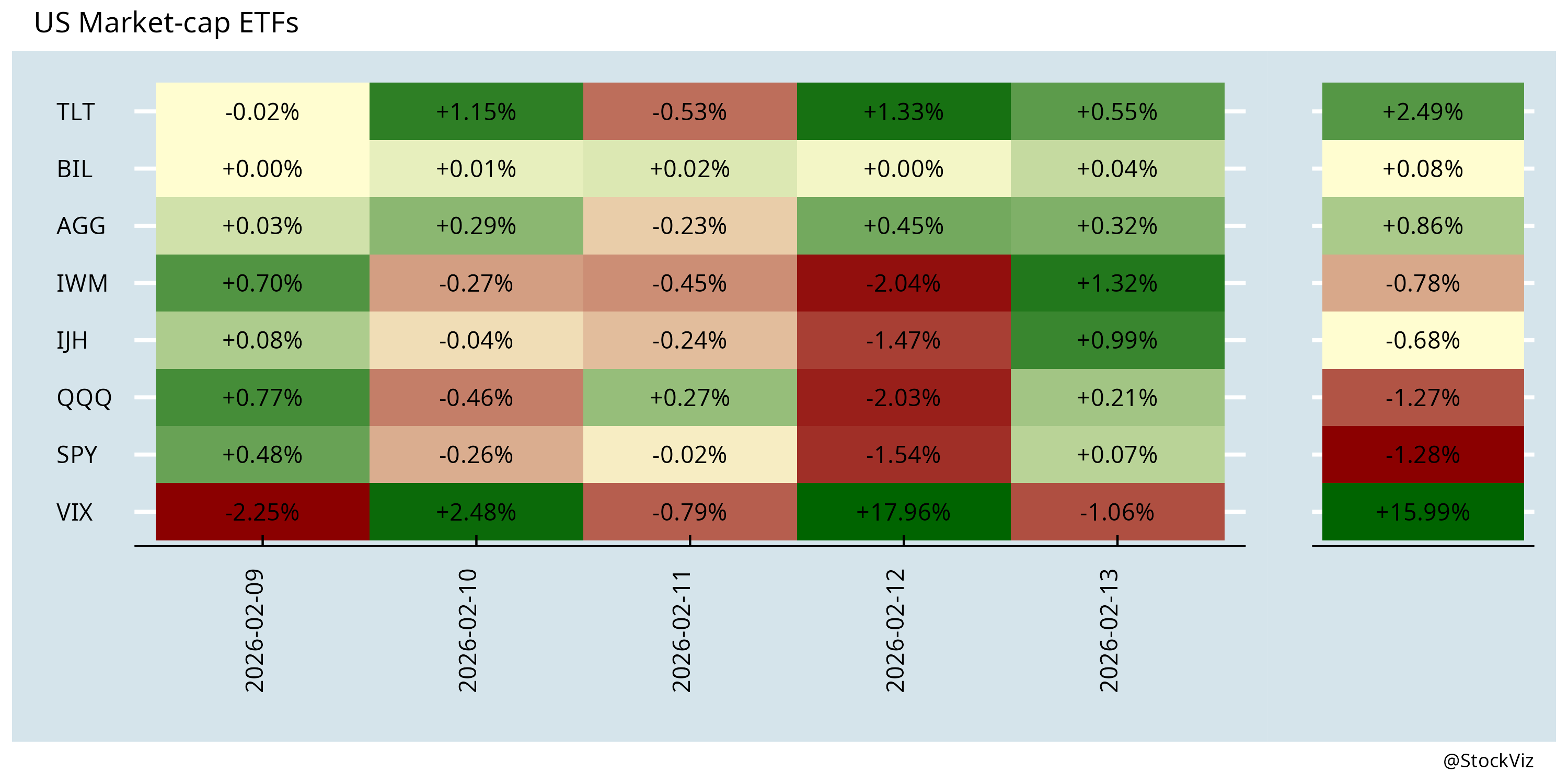
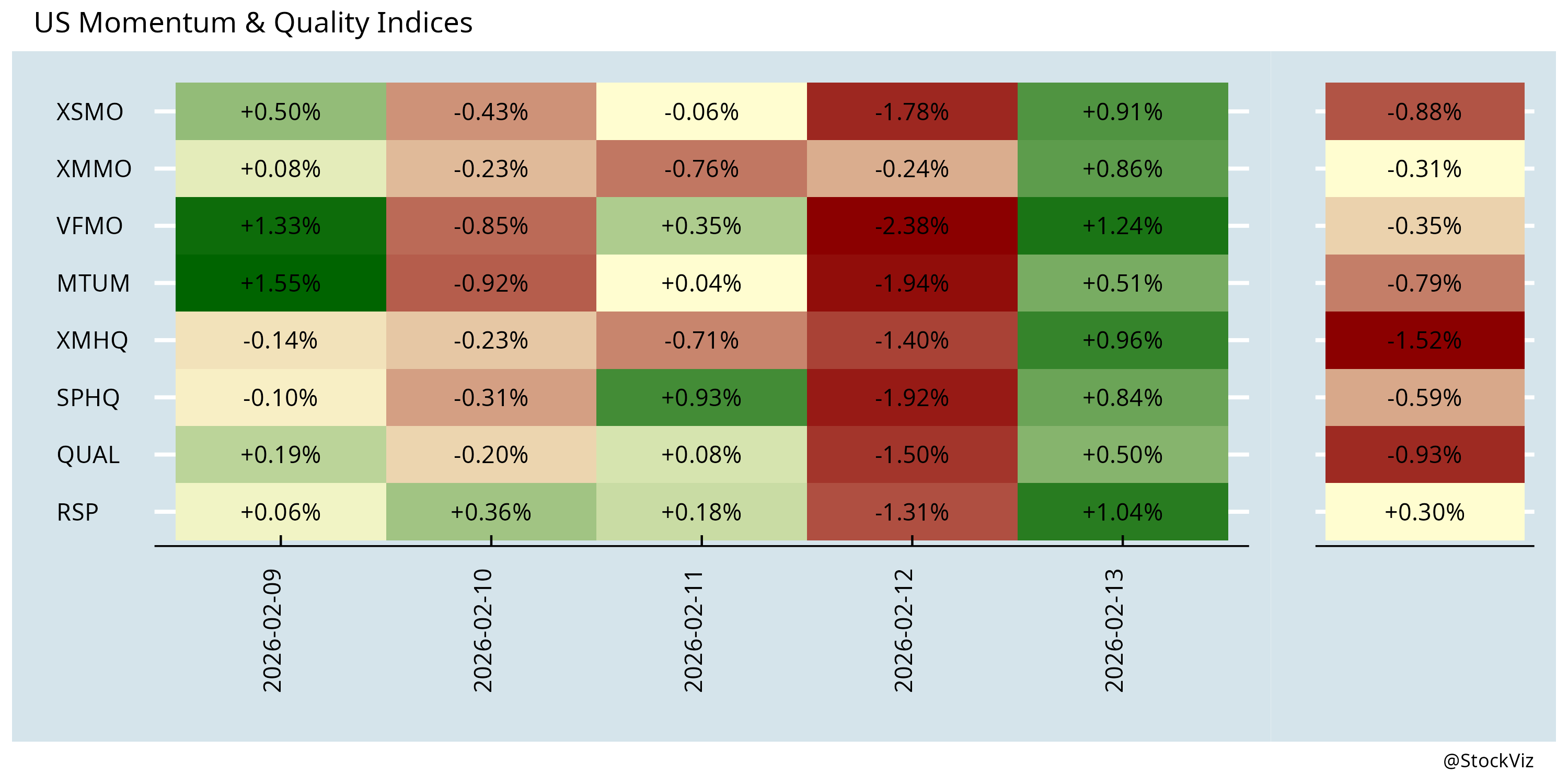
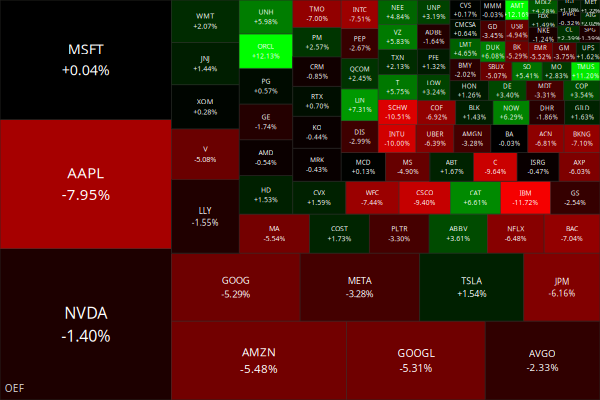
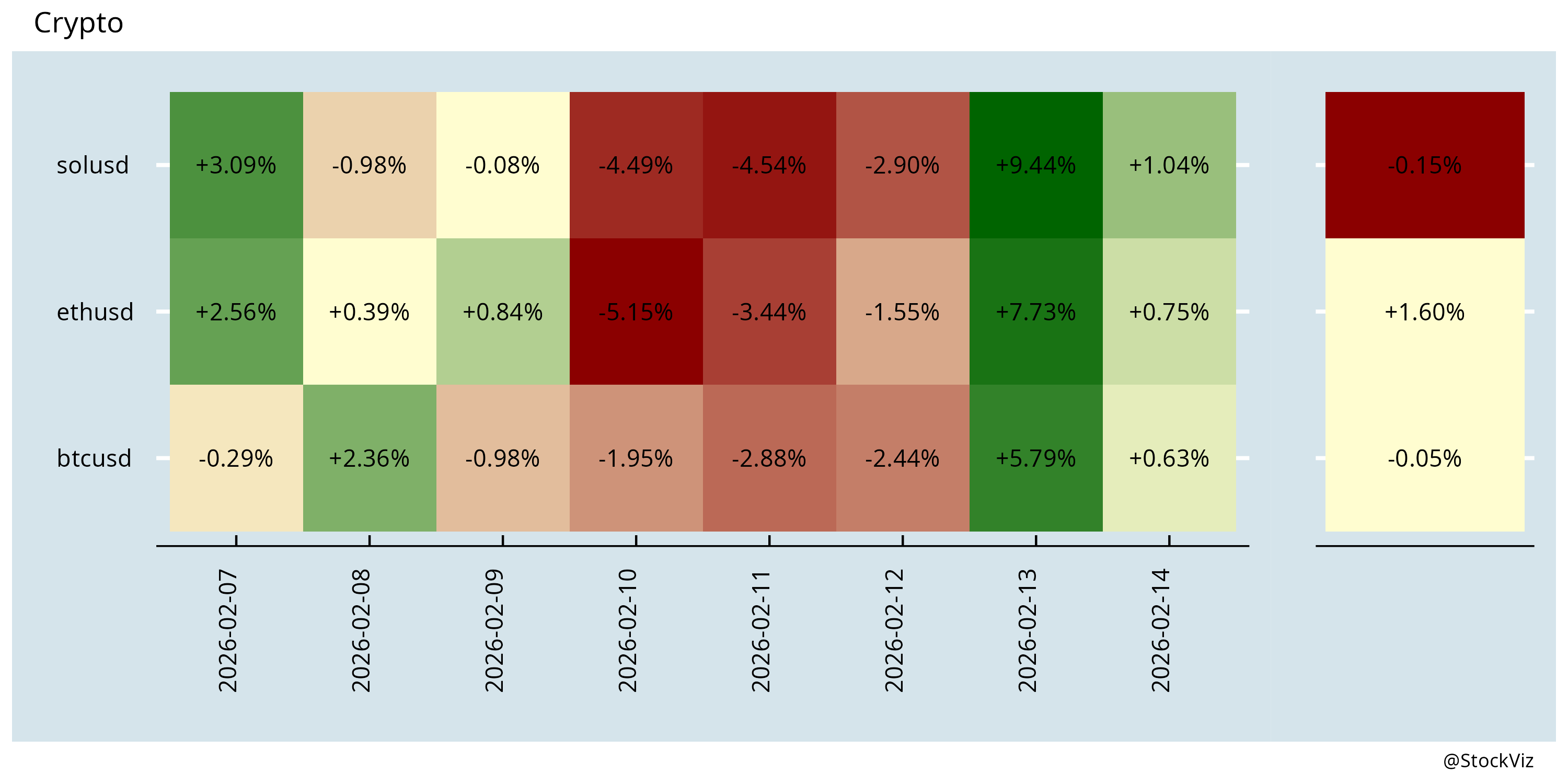
Markets this Week
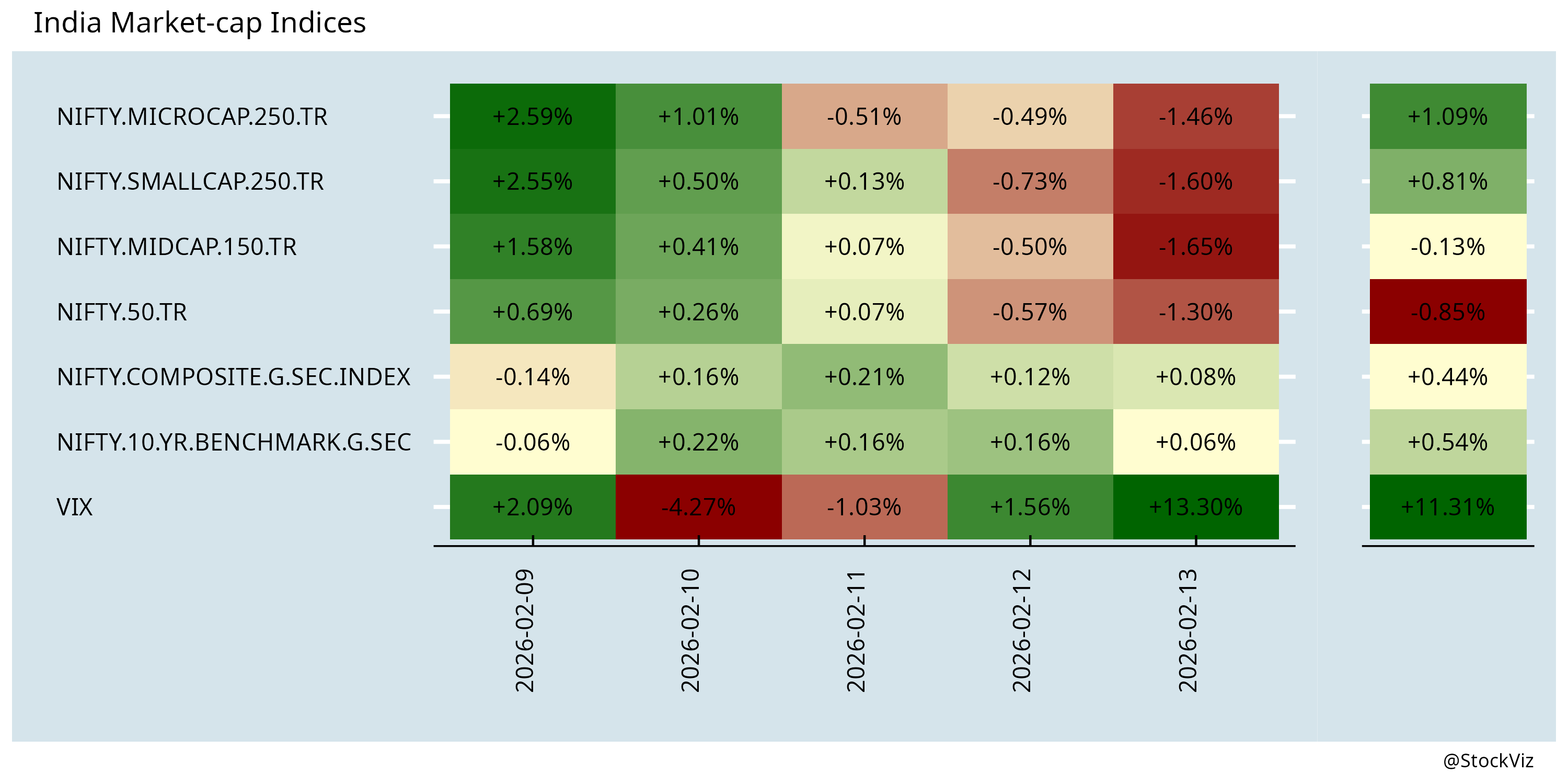
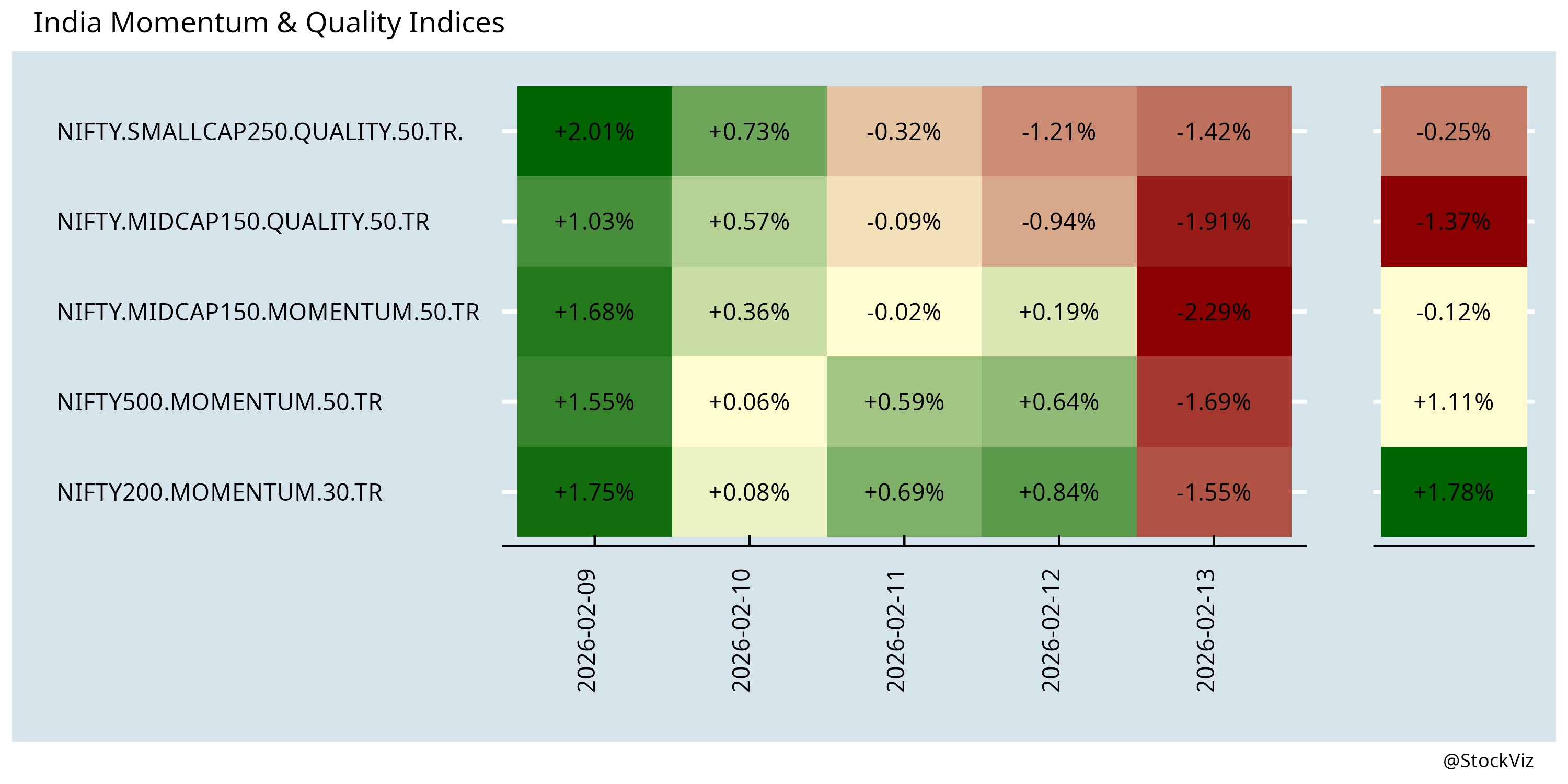
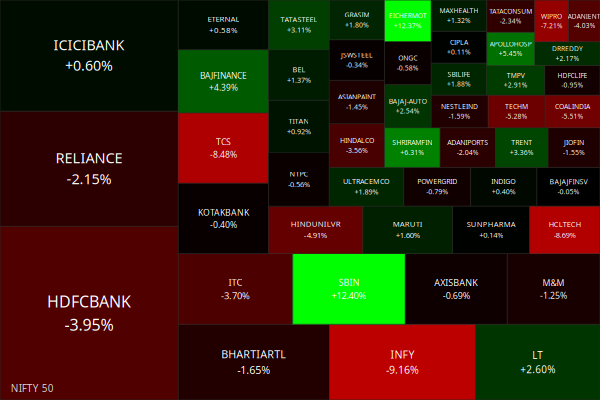
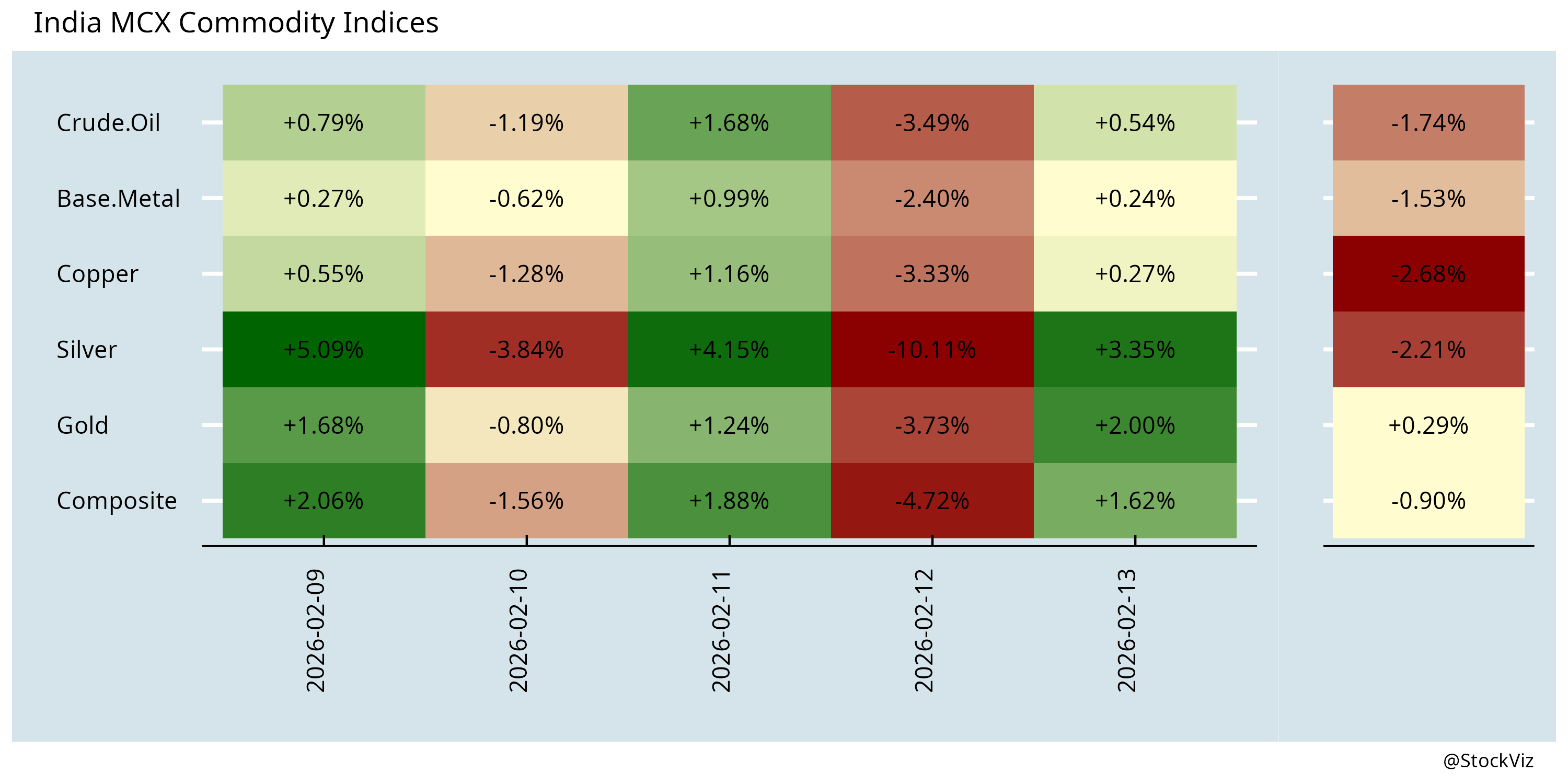
More here: country ETFs, fixed income, currencies and commodities.
Links
Concentrated positions are very fun on the upside. They can also wreck you on the downside (awealthofcommonsense).
Research
Who Is Paying for the 2025 U.S. Tariffs? (libertystreeteconomics)
Over the course of 2025, the average tariff rate on U.S. imports increased from 2.6 to 13 percent. We find that nearly 90 percent of the tariffs’ economic burden fell on U.S. firms and consumers.
Interest rate hikes are less powerful in reducing inflation than conventional wisdom suggests (suerf)
A 100bp rate hike reduces output typically by less than 0.5% and prices by less than 0.25%, well below textbook predictions.
The Effects of Protests on Economic Redistribution (NBER)
We find that protests increase transfers to protesting regions, but only in areas that are politically aligned with disbursing governments.
Bitcoin’s Binary Endgame (biggerpocketsmoney)
Bitcoin’s long-term fate is binary. Either it succeeds as a durable, self-sustaining monetary system, one that maintains or grows meaningful purchasing power, network security, and economic relevance for decades, or it collapses to functional zero: a chain with negligible hashrate, no meaningful transaction activity, no reliable price discovery, no trust, and no realistic path back to viability. There is no plausible middle ground.
India
Bond yields keep going higher even after RBI intervention (reuters).
Indian investors piled into gold exchange-traded funds in January as prices soared amid rising geopolitical risk, surpassing flows into equity funds for the first time (reuters).
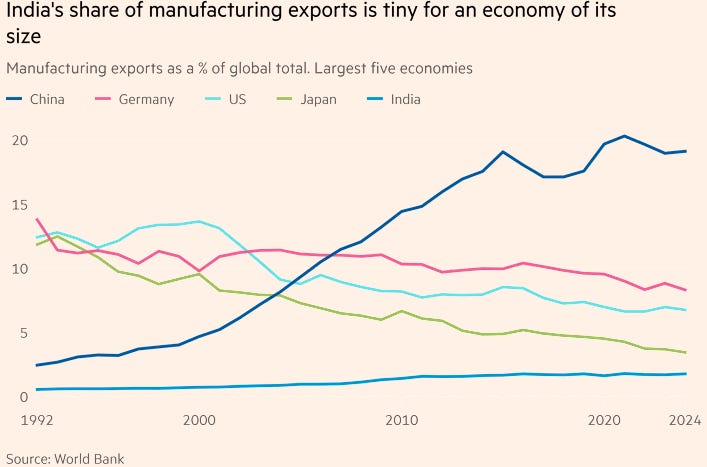
Why Manufacturing’s GDP Share Remains Stuck Below 25% Despite Growth (swarajyamag).
After Tiger Global ruling, Income Tax dept sends notices to foreign VCs, PE funds (economictimes).
RBI seeks to end mis-selling at bank counters, mandates refunds (livemint).
Inside India’s only dark factory in Tamil Nadu. Robots work all night, engineers stay out (theprint).
India’s deft negotiations and anxiety from US business groups pushed the ball (economictimes).
India is getting richer every year, but its cities don’t seem to be getting any more livable. And the government’s in no hurry to fix it, even though people are dying as a result (bloomberg).
Researchers find 2,000-year-old Tamil-Brahmi inscriptions on Egyptian tombs (timesofindia).
row
Trump announced the termination of the “endangerment finding”, a piece of legalese that underpins American greenhouse-gas regulation (economist).
Europe’s wage paradox (engelsbergideas).
Arguments that finance is a drain on the “real” economy are just warmed-over Marxist critiques of capitalism (city-journal).
The top-20 per cent of consumers account for around 65 per cent of sales of products like cookies and ice cream. If those ‘super users’ end up on GLP-1 drugs, you get a non-linear reduction in sales.
Weight-loss jabs push sugar price to five-year low (ft)
The Bank of Japan has begun selling off its accumulated 95 trillion yen ($610 billion) in exchange-traded funds. The central bank plans to sell about 330 billion yen per year based on book value. Going through its entire holdings, with a book value of 37 trillion yen, would take 112 years at that rate (nikkei).
Russia estimates the economy needs 11 million more laborers by the end of the decade. Russian companies are looking to attract workers from abroad, including from India, Bangladesh, Sri Lanka, and China, to fill gaps in the workforce (bloomberg).
A.I.
OpenAI has warned U.S. lawmakers that Chinese artificial intelligence startup DeepSeek is targeting the ChatGPT maker and the nation's leading AI companies to replicate models and use them for its own training (reuters).
AI Is Getting Scary Good at Making Predictions (theatlantic).
The “Are You Sure?” Problem: Why Your AI Keeps Changing Its Mind (randalolson).
Now Top Investors Are Doubting the AI Revolution (institutionalinvestor).
An AI Skeptic’s Primer (andvari).
Meme of the Week